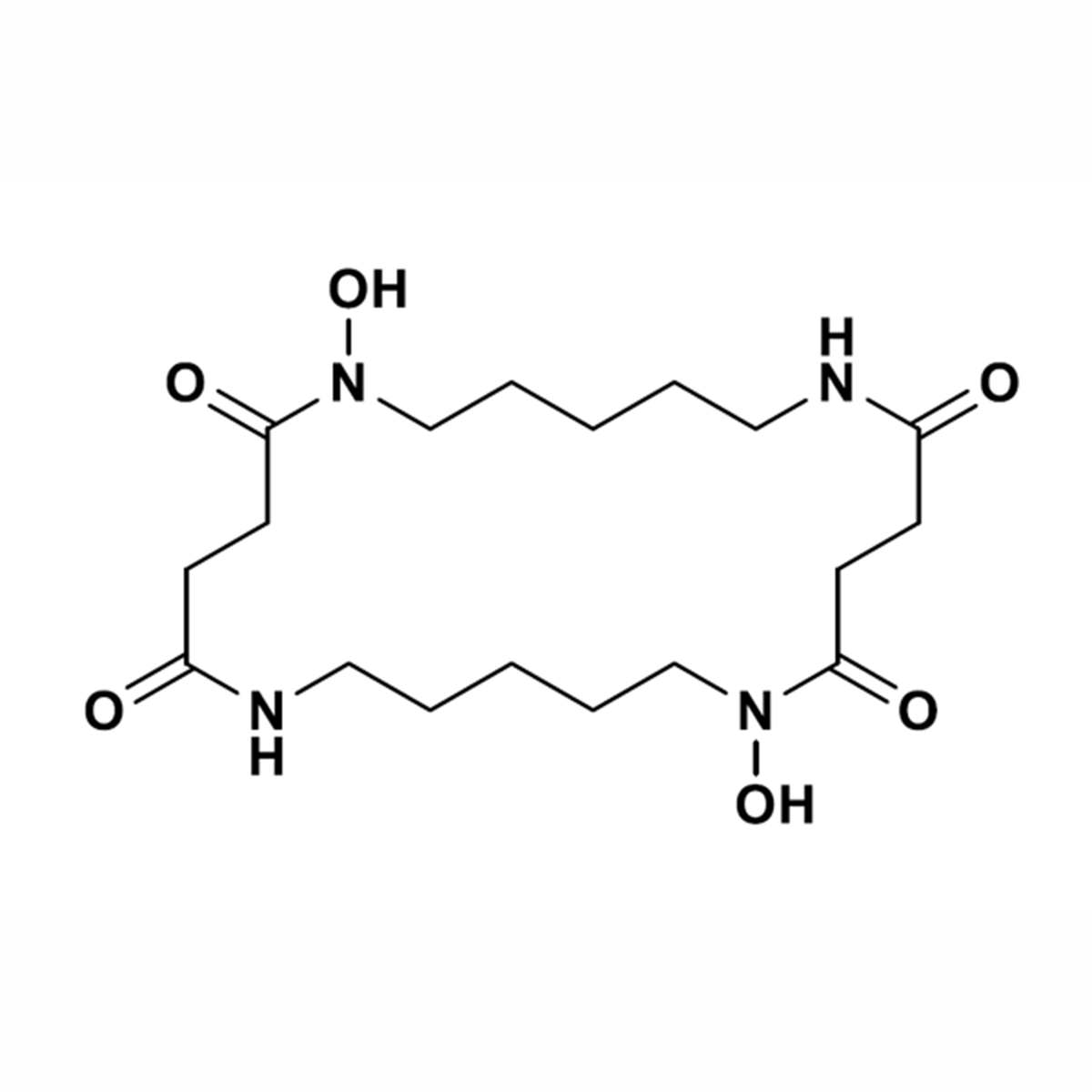
Bisucaberin
Product#: FNK-14659
$598.00
Availability:
Ships in 24 hours
Bisucaberin
Specifications
Code No.: FNK-14659
CAS#: 112972-60-8
Molecular Formula: C18H32N4O6
Molecular Weight: 400.476
Source: Alteromonas haloplankis SB-1123
Appearance: Colorless crystal
Purity: > 90%(HPLC)
Long Term Storage: at -20 °C
Solubility: Soluble in DMSO. Poorly soluble in MeOH. Insoluble in H2O.
CAS#: 112972-60-8
Molecular Formula: C18H32N4O6
Molecular Weight: 400.476
Source: Alteromonas haloplankis SB-1123
Appearance: Colorless crystal
Purity: > 90%(HPLC)
Long Term Storage: at -20 °C
Solubility: Soluble in DMSO. Poorly soluble in MeOH. Insoluble in H2O.
Application Notes
Bisucaberin is a siderophore isolated from a culture broth of a marine bacterial strain identified as Alteromonas haloplanktis SB-1123.1,2 It inhibits the growth of fibrosarcoma 1023 (85% at 18 µg/ml), L1210 (IC50: 3.6 µg/ml) and IMC carcinoma (IC50: 5.1 µg/mL) without affecting their cell viability.1 (More than 98% of fibrosarcoma 1023 was viable with up to 18 µg/ml of bisucaberin.) Biscaberin induces macrophage-mediated tumor cell lysis (co-cultured with nonactivated macrophages).1 The Induced lysis is dependent on concentration of bisucaberin and reaches the maximum (specific lysis: ~70%) at 18 µg/ml.1 Macrophages alone without bisucaberin or bisucaberin itself without macropharge induced little cytolysis of tumor cells at this concentration. Bisucaberin is considered to have its effect by sensitizing tumor cells to lysis by nonactivated macrophages and not by activating macrophages to be tumoricidal.1
References
- Bisucaberin, a new siderophore, sensitizing tumor cells to macrophage-mediated cytolysis. I. Taxonomy of the producing organism, isolation and biological properties. Kameyama T, et al. J Antibiot. 1987 40(12) 1664-1670.
- Bisucaberin, a new siderophore, sensitizing tumor cells to macrophage-mediated cytolysis. II. Physico-chemical properties and structure determination. Takahashi A, et al. J Antibiot. 1987 40(12) 1671-1676.
Product description
Bisucaberin is a siderophore compound with potential anticancer activity. It is a hydroxamate class molecule produced by marine bacteria, such as Tenacibaculum mesophilum.
Properties
- CAS Number: 112972-60-8
- Molecular formula: Not provided in the search results
- Likely a white to off-white powder (based on similar compounds)
- Binds to receptors and is involved in cell biology processes
- Research tool for studying siderophore mechanisms
- Potential anticancer agent
- Used in biochemical studies related to ion channel inhibition
- Activator in cellular research
- For research use only - not for human use
- Handle with appropriate personal protective equipment
- Store according to manufacturer's instructions
Anticancer effects: Bisucaberin has demonstrated the ability to sensitize tumor cells to macrophage-mediated cytolysis. Specifically, bisucaberin rendered tumor cells more susceptible to being killed by murine peritoneal macrophages that were elicited by Proteose peptone. This suggests bisucaberin may have potential as an anticancer agent by enhancing the immune system's ability to target cancer cells.
Iron chelation: Bisucaberin B and related compounds like desferrioxamine B are siderophores, which are iron-chelating compounds. Desferrioxamine B in particular is used clinically as a treatment for iron poisoning. The iron chelation properties of these compounds could potentially be useful for treating conditions involving iron overload.
Antimicrobial activity: Some siderophores like desferrioxamine B have shown the ability to inhibit mycobacterium biofilm formation. This suggests compounds in this class may have potential applications in treating certain bacterial infections, particularly those involving biofilms.
Potential neuroprotective effects: While not specifically mentioned for bisucaberin, some iron chelators have shown neuroprotective effects in neurodegenerative diseases. The iron chelation properties of bisucaberin and related compounds could potentially be explored for similar applications.
Note: Always refer to the manufacturer's product information and recent scientific literature for the most up-to-date and accurate information about this compound
Related Products
| Effect of Chemicals | Name | Product Code | Link |
|---|---|---|---|
| Aflatoxin Production Inhibitor | Dioctatin A (HCl) | FNK-14700 |  |
| Tumor Cell Migration Inhibitor | Migrastatin | FNK-10708 | |
| Anti-Tumor | Altemicidin | FNK-12151 | |
| Bisucaberin | FNK-14659 | Current Link | |
| COMC | FNK-14701 | |
|
| COTC | FNK-14675 | |
|
| 6-epi-COTC | FNK-14698 | |
|
| Forphenicinol | FNK-09637 | |
|
| Inostamycin A (Na Salt) | FNK-14652 | |
|
| Lentztrehalose A | FNK-14678 | |
|
| Migrastatin | FNK-10708 | |
|
| Oxanosine | FNK-00762 | |
|
| Immunomodifier | Forphenicinol | FNK-09637 | |
| Mannan Lectin | Benanomicin A | FNK-02966 | |
Natural macrocyclic compounds from microorganisms:
| Structural classification | Compound Name | Chemical Structure | Property / Biological activity | Link | ||||
|---|---|---|---|---|---|---|---|---|
| Bacterial proteins/Inhibition of DNA synthesis | Aplasmomycin (Sodium Salt) |  |
Aplasmomycin A Inhibited the growth of gram-positive bacteria including mycobacteria and showed an antimalarial activity in mice infected with Plasmodium berghei. | |
||||
| Migrastatin | 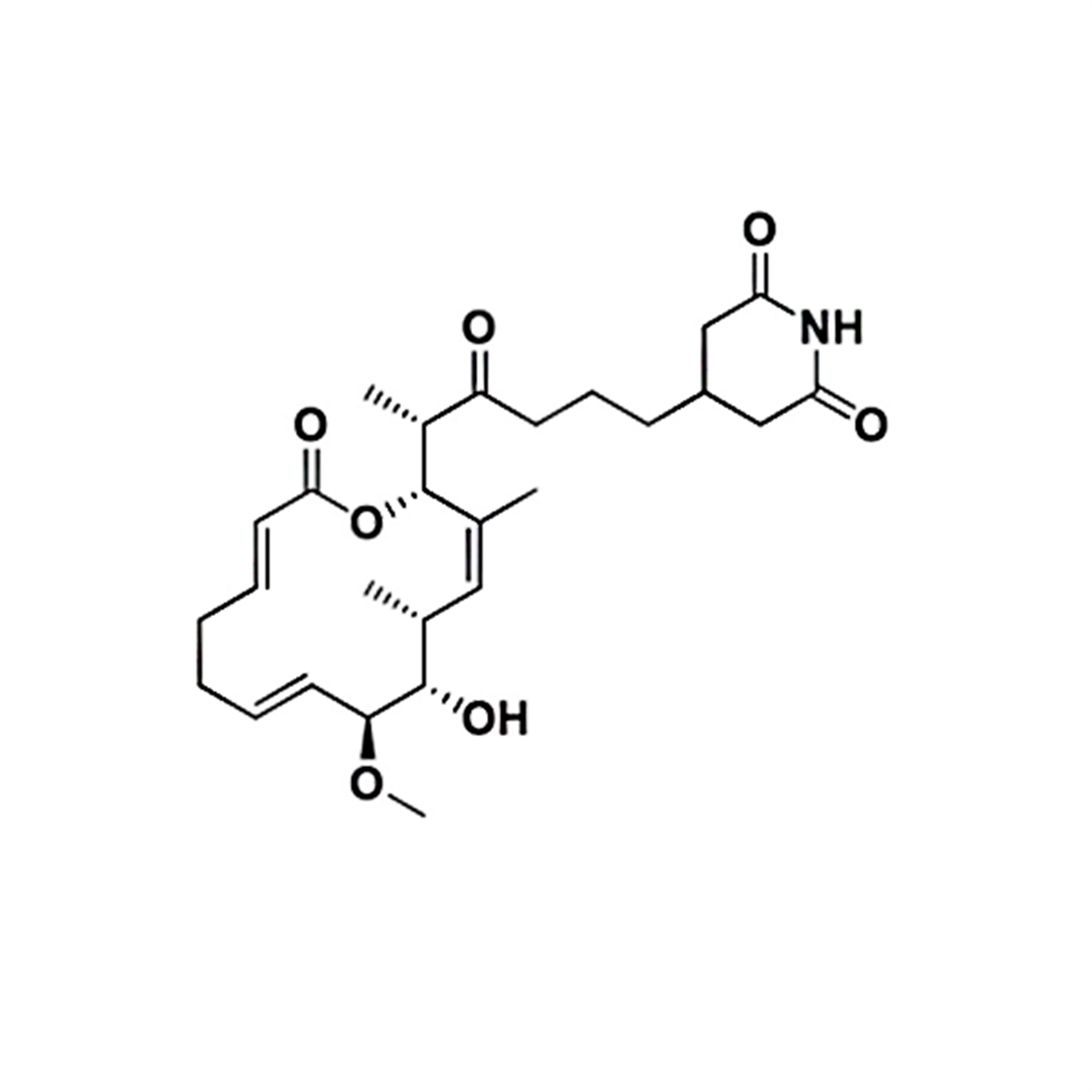 |
Migrastatin inhibited metastasis of human esophageal cancer cells and anchorage-independent growth of human small cell lung carcinoma cells. | |
|||||
| Macrolactams | Bisucaberin |  |
Bisucaberin is a siderophore with iron-affinity and induced concentration dependent macrophage-mediated tumor cell lysis. | Current Link | ||||
| Cyclic peptides | Bottromycin A2 | 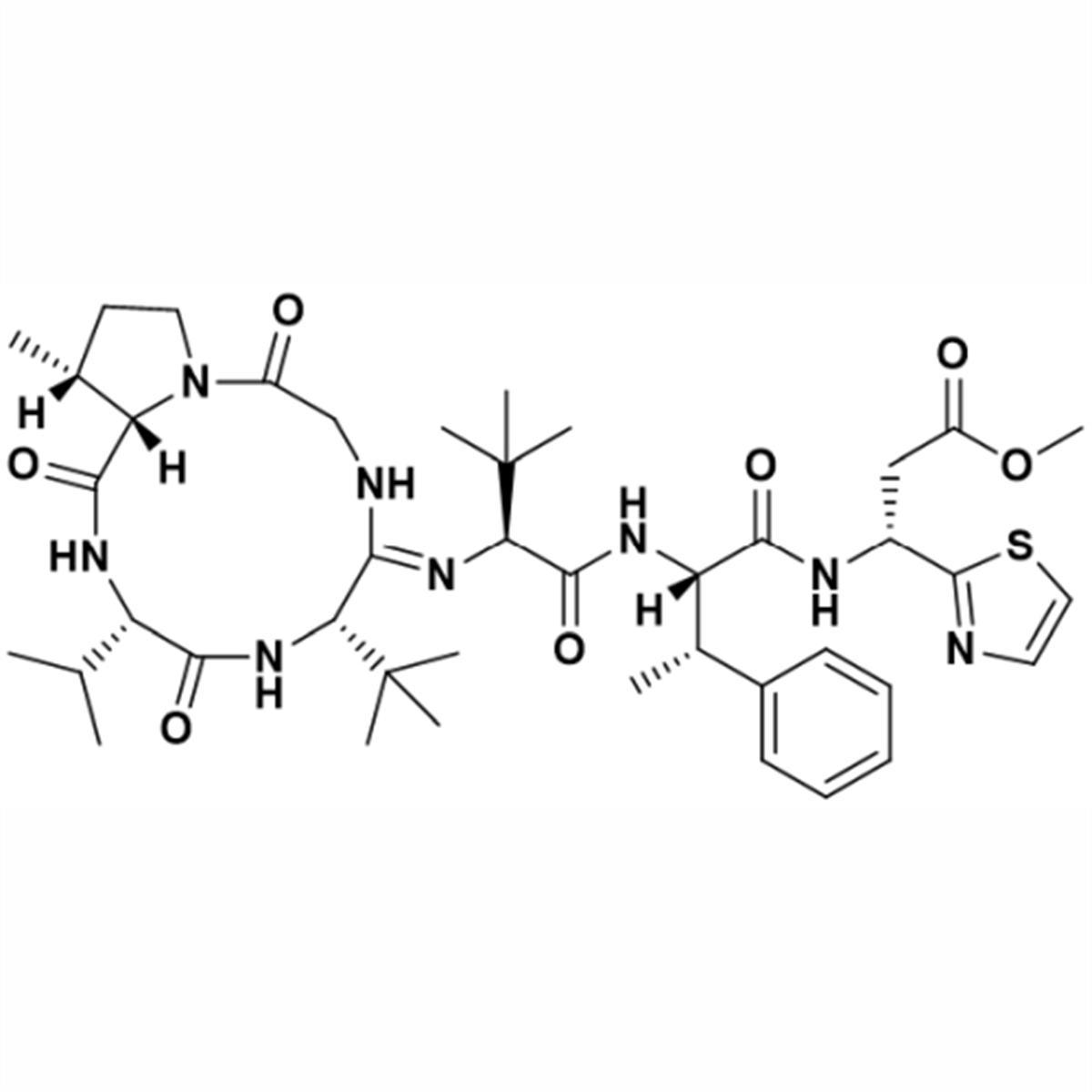 |
Bottromycin A2 showed growth inhibitory activity against gram-positive bacteria, MRSA (Methicillin-resistant Staphylococcus aureus), and VRE (Vancomycin-resistant Enterococci). | |
||||
| Iturin A-2 | 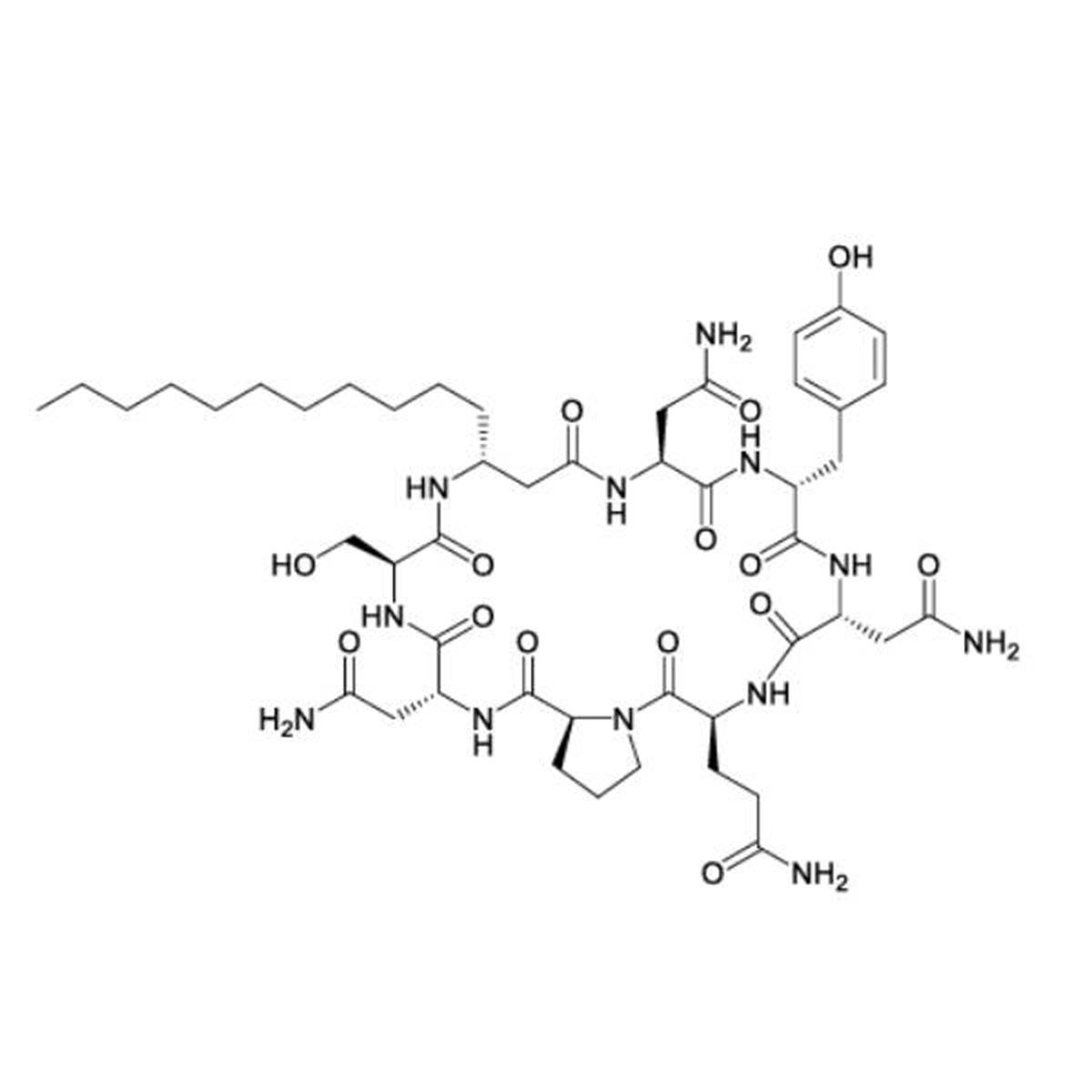 |
Iturin A-2 showed the control of damping-off of tomato (a seedling disease) and cytotoxicity to human breast cancer cell line BT-474. | |
|||||
| Plipastatin A1 | 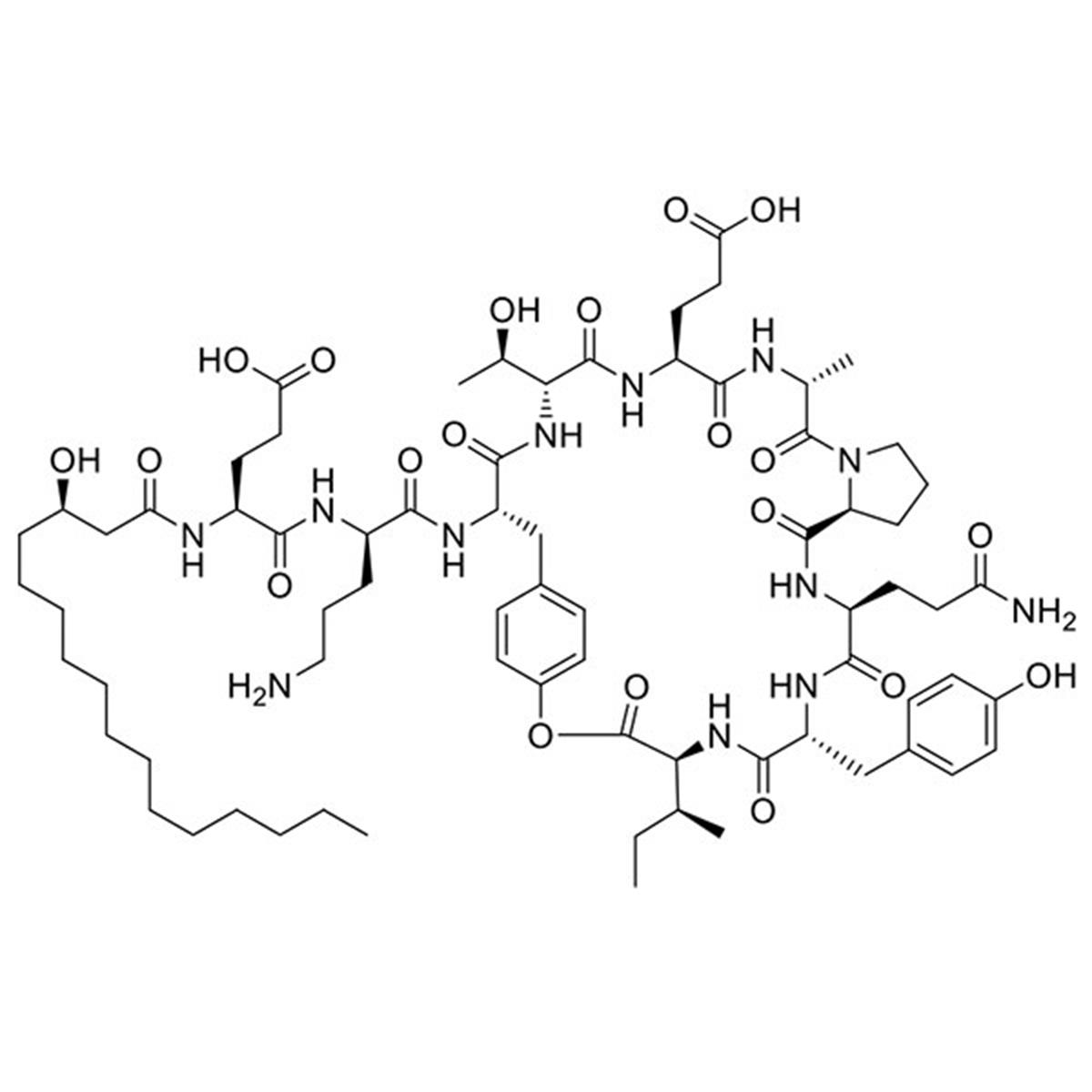 |
Plipastatin A1 inhibited phospholipase A2 and induced ISR (induced-systemic-resistance). | |
|||||
| Phepropeptin A |  |
Phepropeptin A inhibited proteasomal chymotrypsin-like activity. | |
|||||
| Phepropeptin B |  |
Phepropeptin B inhibited proteasomal chymotrypsin-like activity. | |
|||||
| Phepropeptin C |  |
Phepropeptin C inhibited proteasomal chymotrypsin-like activity. | |
|||||
| Phepropeptin D |  |
Phepropeptin D inhibited proteasomal chymotrypsin-like activity. | |
|||||
| Cycloalkenes | Rubratoxin A | 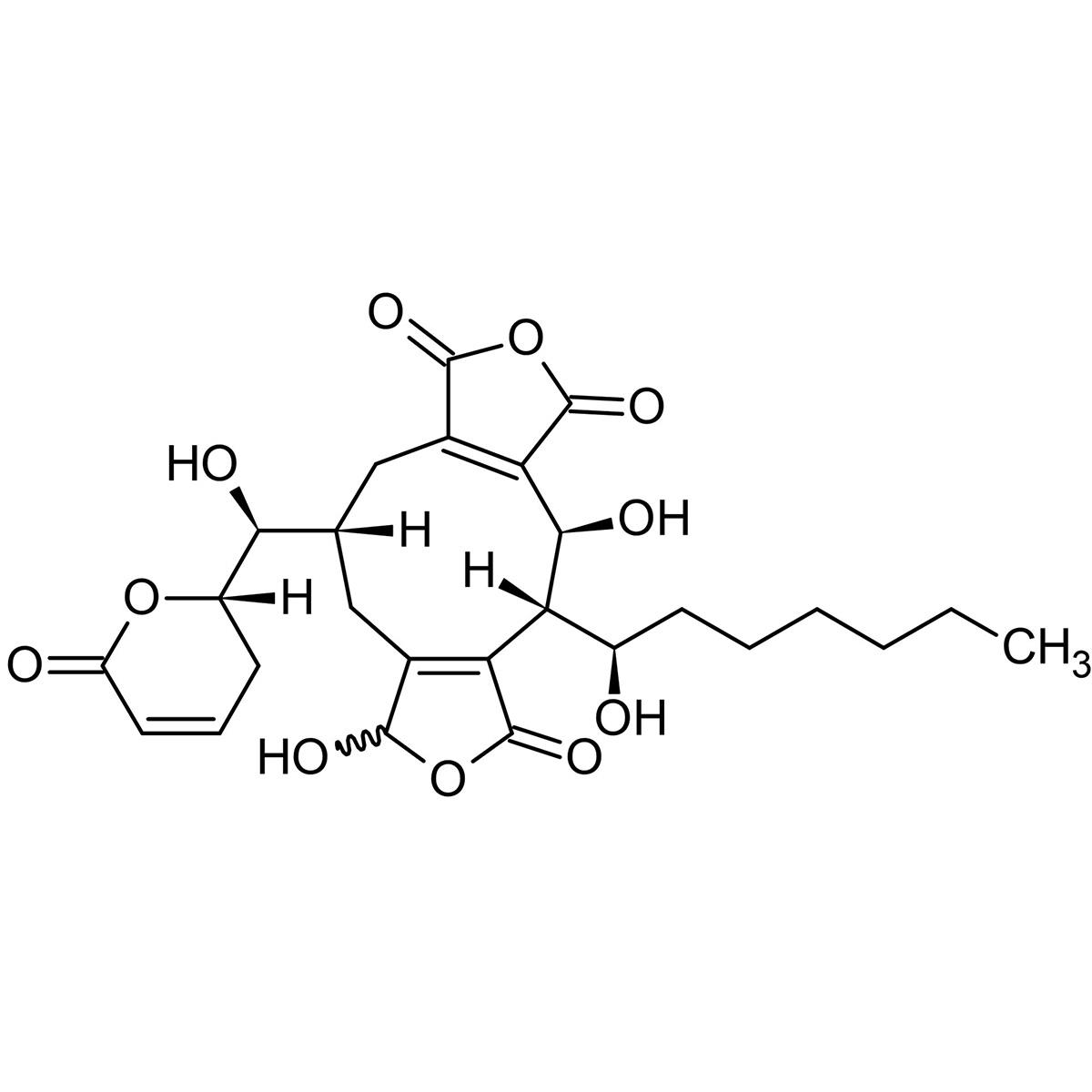 |
Rubratoxin A inhibited protein phosphatase 2A (PP2A) in a competitive manner. | |
||||