Iturin A-2, Antifungal Antitumor
Product#: FNK-15171
$598.00
Availability:
Ships in 1-2 Weeks
Iturin A-2, Antifungal Antitumor
Cat No..: FNK-15171Specifications:
CAS# : 83785-07-3
Molecular Formula : C48H74N12O14
Molecular Weight : 1043.190
Source : Bacillus sp.
Supplied as : Powder
Purity : >90 %(HPLC)
Long Term Storage : at -20 °C
Solubility : Soluble in MeOH, DMSO and DMF. Insoluble in H2O
Synonyms: C11 Iturin A
Application Notes
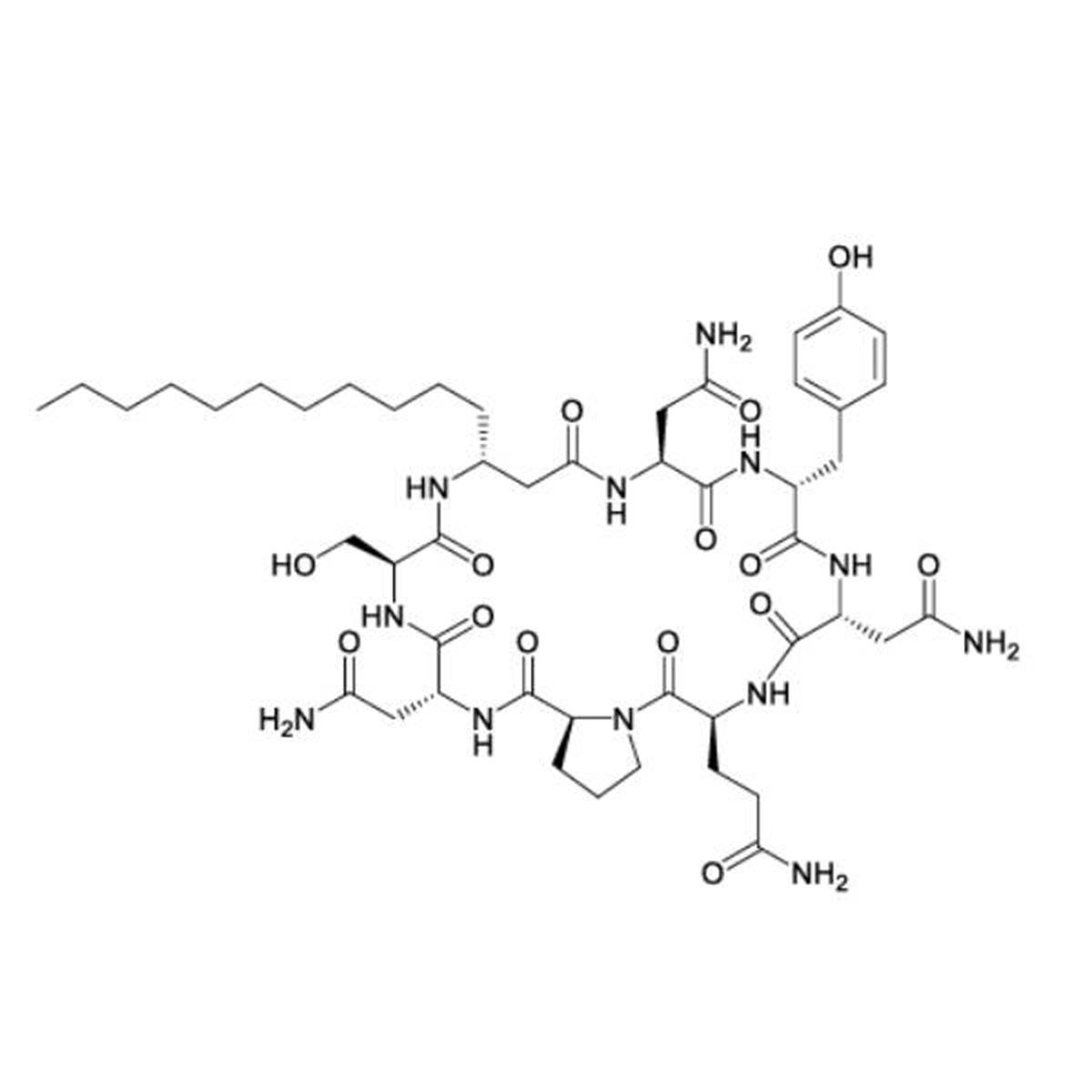
The bacteria from the genus Bacillus used in biological control of plant disease has been reported producing lipopeptides such as surfactin, plipastatins and iturins. Iturin A was isolated from culture of Bacillus subtilis as antifungal lipopeptide. Structure of β-amino acid of iturin A-2, a major component of iturin A, was determined as 3-aminotetradecanoic acid. Iturin A was involved in the control of damping off of tomato (a seedling disease) caused by Rhizoctonia solani. It was reported lately that iturin A-2 has antitumor activity against breast cancer cells BT474. Pharmacophore mapping studies suggested that the angiotensin-converting enzyme(ACE) as one of the potential targets of iturin A. Iturin A and several lipopeptides showed better docking scores than remdesivir triphosphate with lower binding energies on the docking studies. This finding indicates that these lipopeptides may bind to SARS-CoV-2 nsp12 (RNA-dependent RNA polymerase) more efficiently than the FDA-approved drug.
References
1) Bacillus-based biological control of plant diseases. Cawoy H et al. In Pesticides in the Modern World -Pesticides Use and Management; IntechOpen, 2011.
2) L'Iturine. I. Préparation, purification et poidsmoléculaire. Delcambe L, et al. Bull Soc Chim Belg. 1965 74 315-328.
3) Structures of β-amino acids in antibiotics iturin A. Isogai A, et al. Tetrahedron Lett. 1982 23(30) 3065-3068.
4) Biocontrol of Rhizoctonia solani damping-off Asaka O, et al. Appl. Environ. Microbiol. 1996 62 4081–4085.
5) Production, purification and characterization of ‘Iturin A2’ a lipopeptide with antitumor activity from Chinese sauerkraft bacterium Bacillus velezensis T701. Jiang J, et al. Int J Pept Res Ther. 2021 27 2135-2147.
6) Modern paradigm towards potential target identification for antiviral (SARS-nCoV-2) and anticancer lipopeptides: A pharmacophore-based approach Yadav M, et al. Avicenna J Med Biotechnol. 2022 14(1) 70–78.
7) Lipopeptides against COVID-19 RNA-dependent RNA polymerase using molecular docking. Xia B et al. Biomed. J. 2021 44 S15-S24
Natural macrocyclic compounds from microorganisms:
| Structural classification | Compound Name | Chemical Structure | Property / Biological activity | Link | ||||
|---|---|---|---|---|---|---|---|---|
| Bacterial proteins/Inhibition of DNA synthesis | Aplasmomycin (Sodium Salt) |  |
Aplasmomycin A Inhibited the growth of gram-positive bacteria including mycobacteria and showed an antimalarial activity in mice infected with Plasmodium berghei. |  |
||||
| Migrastatin | 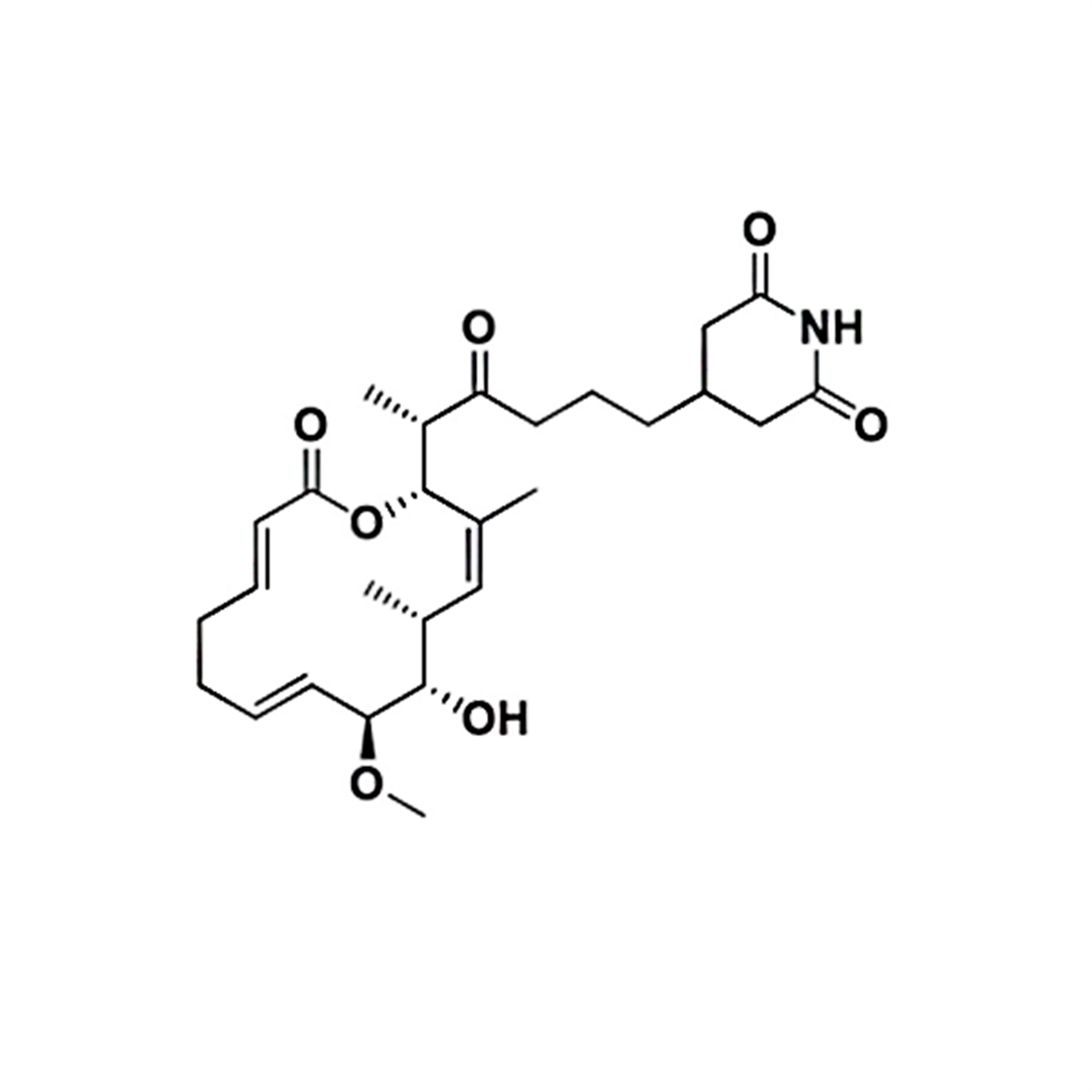 |
Migrastatin inhibited metastasis of human esophageal cancer cells and anchorage-independent growth of human small cell lung carcinoma cells. | |
|||||
| Macrolactams | Bisucaberin | 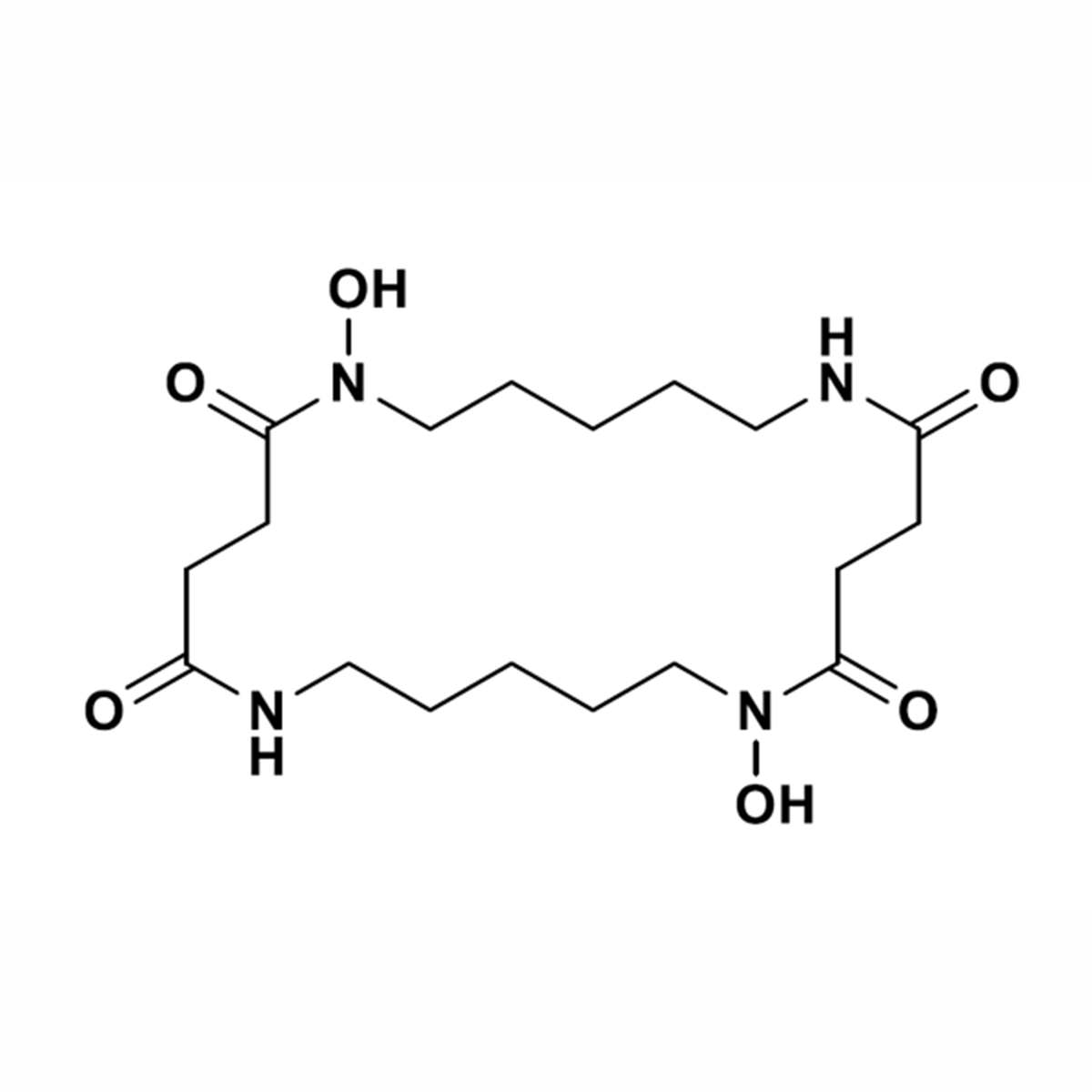 |
Bisucaberin is a siderophore with iron-affinity and induced concentration dependent macrophage-mediated tumor cell lysis. | |
||||
| Cyclic peptides | Bottromycin A2 | 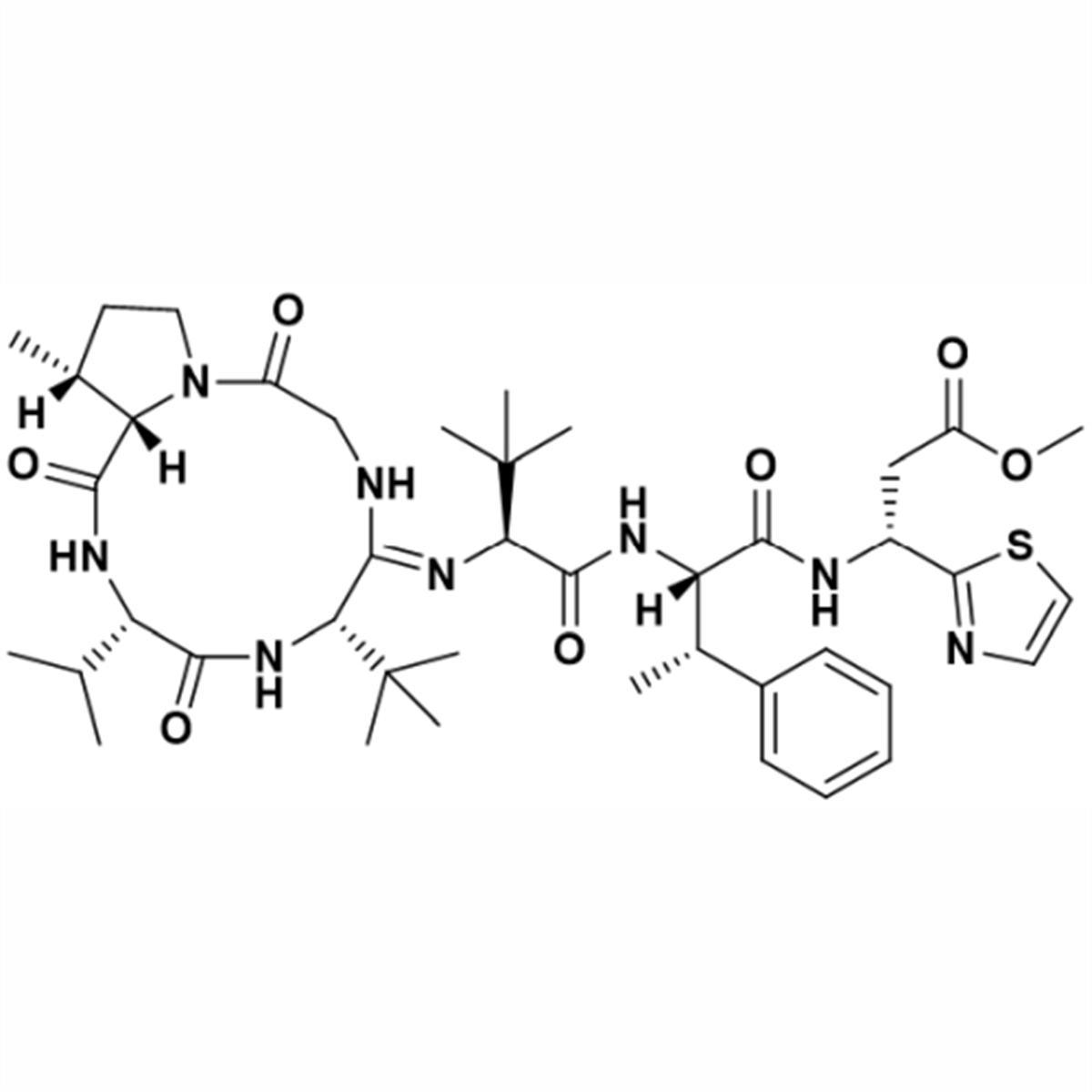 |
Bottromycin A2 showed growth inhibitory activity against gram-positive bacteria, MRSA (Methicillin-resistant Staphylococcus aureus), and VRE (Vancomycin-resistant Enterococci). | |
||||
| Iturin A-2 |  |
Iturin A-2 showed the control of damping-off of tomato (a seedling disease) and cytotoxicity to human breast cancer cell line BT-474. | Current Link | |||||
| Plipastatin A1 | 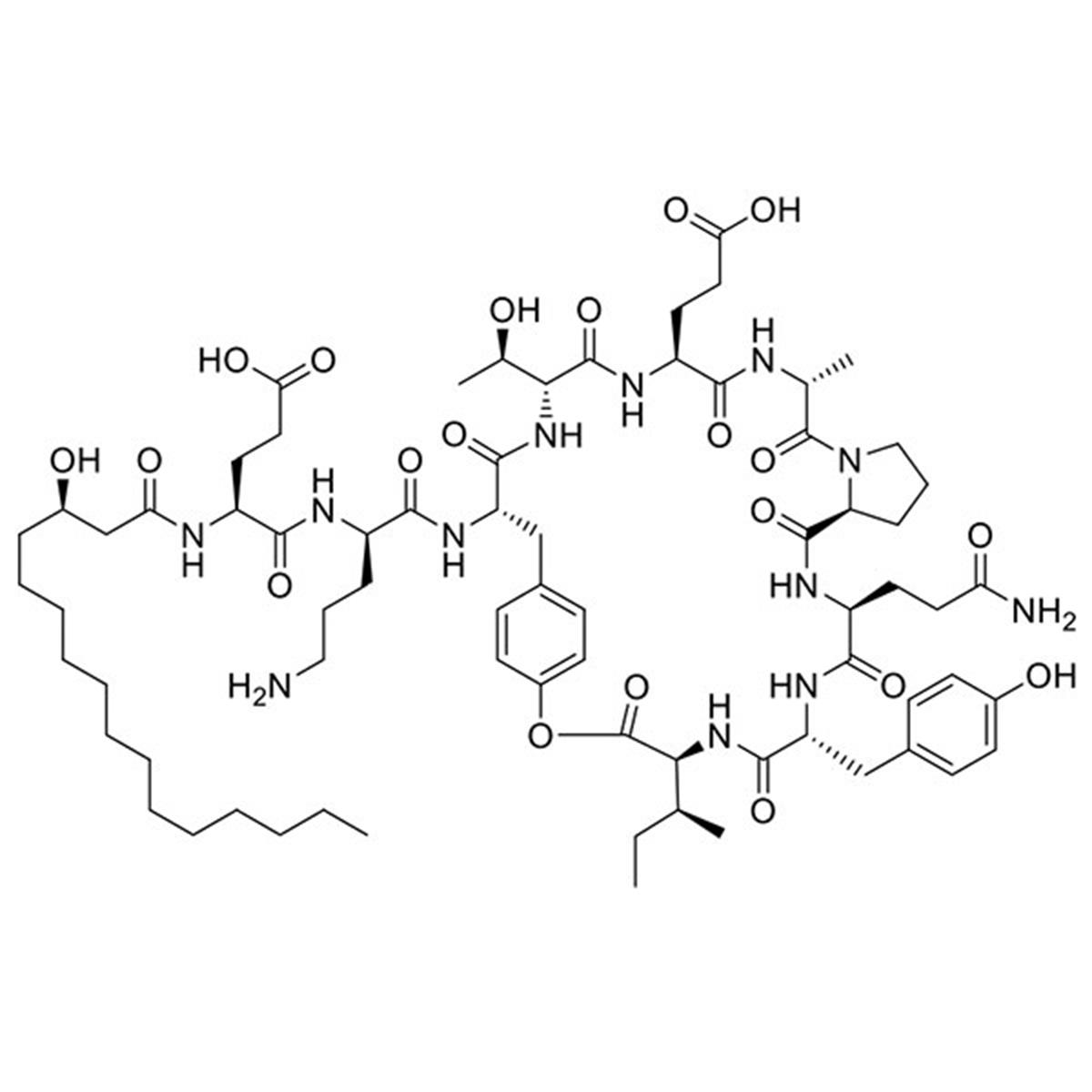 |
Plipastatin A1 inhibited phospholipase A2 and induced ISR (induced-systemic-resistance). | |
|||||
| Phepropeptin A |  |
Phepropeptin A inhibited proteasomal chymotrypsin-like activity. | |
|||||
| Phepropeptin B |  |
Phepropeptin B inhibited proteasomal chymotrypsin-like activity. | |
|||||
| Phepropeptin C |  |
Phepropeptin C inhibited proteasomal chymotrypsin-like activity. | |
|||||
| Phepropeptin D |  |
Phepropeptin D inhibited proteasomal chymotrypsin-like activity. | |
|||||
| Cycloalkenes | Rubratoxin A | 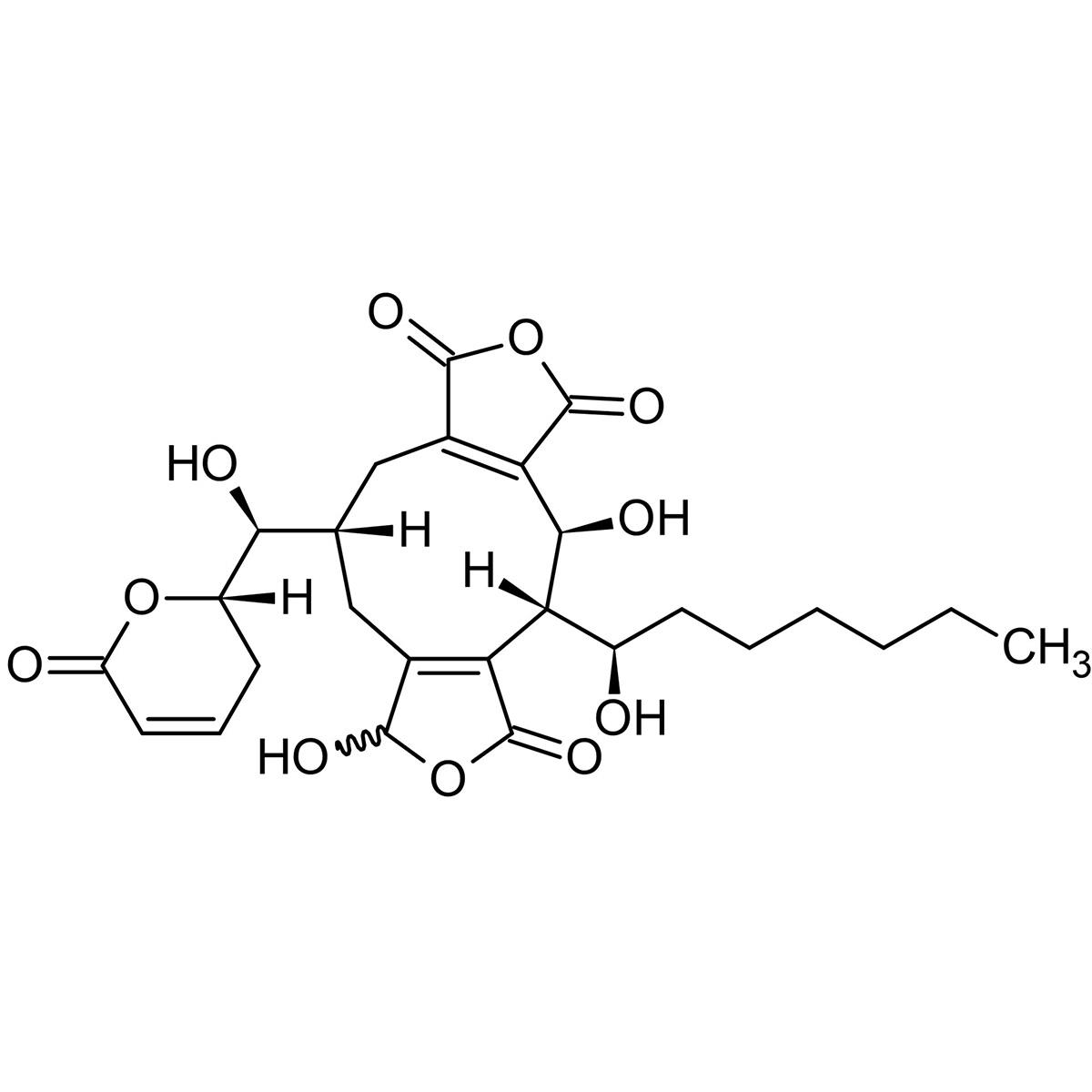 |
Rubratoxin A inhibited protein phosphatase 2A (PP2A) in a competitive manner. | |
||||