
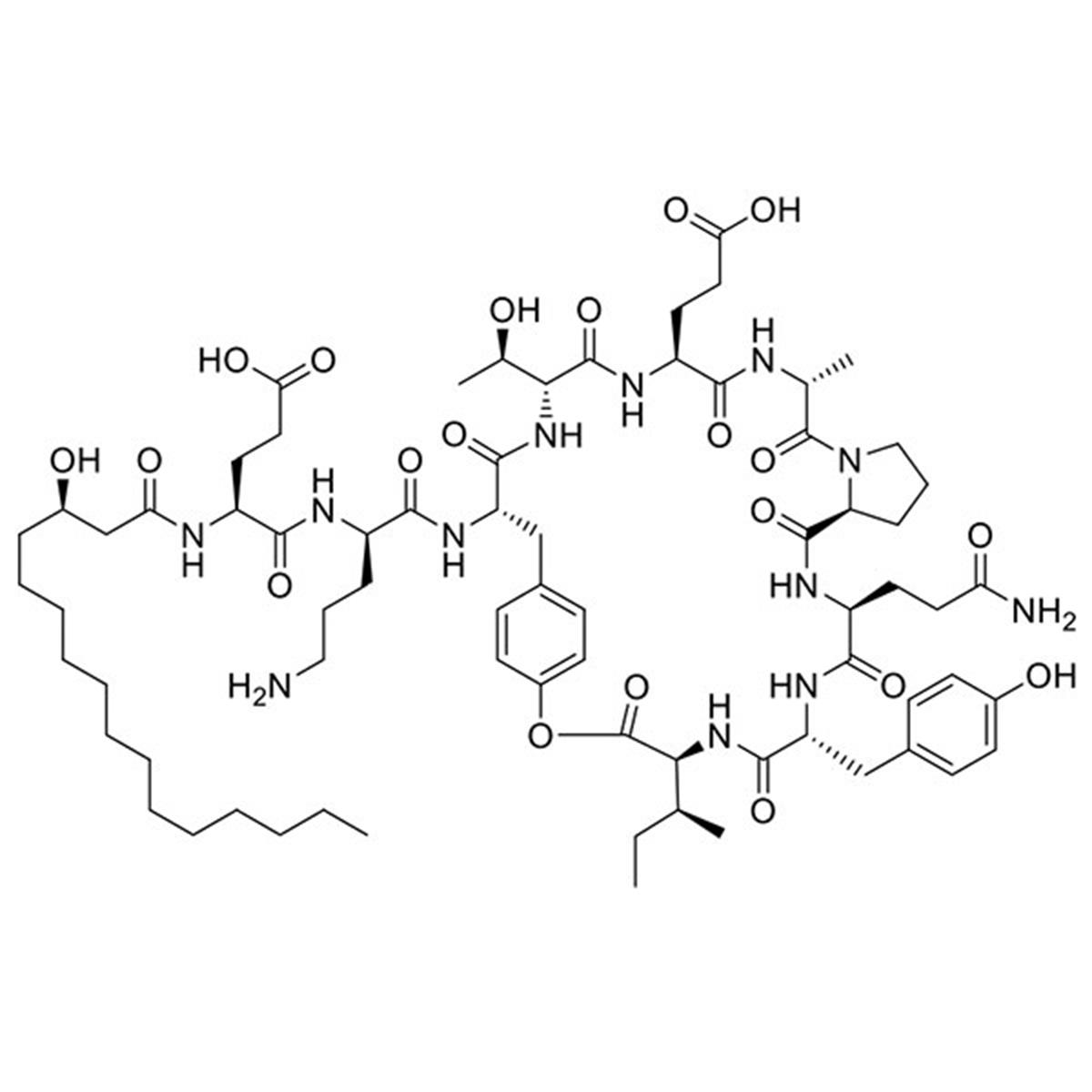
Plipastatin A1, Phospholipase Inhibitor
Product#: FNK-15170
$598.00
Availability:
Ships in 1-2 Weeks
Plipastatin A1, Phospholipase Inhibitor
Cat. No. FNK-15170Size: 1mg
Synonyms: Fengycin IX, C16 Plipastatin A
CAS#: 103651-09-8
Molecular Formula: C72H110N12O20
Molecular Weight: 1463.736
Source: Bacillus sp.
Supplied as: Powder
Purity: >90 % (HPLC)
Long Term Storage: at -20 °C
Solubility: Soluble in H2O, MeOH and DMSO Insoluble in acetone, ethyl acetate
Application Note
- Plipastatin A1 showed the inhibitory activity on phospholipase A2 (IC50: 2.9 μM), C (IC50: 1.3μM) and D (IC50: 1.4 μM) respectively.
- Very low acute toxicity in mice (LD50: 250-500 mg/kg)
- Plipastatins were reported to exhibit antibacterial (L. monocytogenes, S. aureus, Salmonella typhimurium) and antifungal (Fusarium oxysporum and Pythium ultimum) activity, causing distortion of the cell membrane and formation of plasma membrane pores, and ultimately cell death.
- The combination of surfactin and plipastatins led to induced-systemic-resistance (ISR) in tomato and bean plants.
- It was suggested that plipastatins may inhibit the development and progression of colon cancer by targeting the Bax / Bcl-2 pathway and participating in apoptosis and the cell cycle.
- Docking simulation results were reported in which plipastatin A1 bound to the target site of nsp12 (RNA-dependent RNA polymerase of SARS-CoV-2) with low binding energy.
References
- Umezawa, H., et al., J. Antibiotics, 39 (6), 737-744 (1986). [PMID:3089997]
- Nishikiori, T., et al., J. Antibiotics, 39 (6), 745-754 (1986). [PMID:3089998]
- Nishikiori, T., et al., J. Antibiotics, 39 (6), 755-761 (1986). [PMID:3089999]
- Honma, M., et al., Bioorg. Med. Chem., 20 (12), 3793-3798 (2012). [PMID:22609073]
- Gao, L., et al., Antonie van Leeuwenhoek, 110 (8), 1007-1018 (2017). [PMID:28477175]
- Jeong, D.E., et al., J. Microbiol. Biotechnol., 28 (6), 1030-1036 (2018). [PMID:29642284]
- Lin, L.Z., et al., Front. Microbiol., 11, 579621 (2020). [PMID:33391199]
- Ongena, M., et al., Environ. Microbiol., 9 (4), 1084-1090 (2007). [PMID:17359279]
- Cheng, W., et al., Neoplasma, 63 (2), 215-222 (2016). [PMID:26774143]
- Xia, B., et al., Biomed. J., 44 (6) Supplement1, S15-S24 (2021). [PMID:34871815]
Natural macrocyclic compounds from microorganisms:
| Structural classification | Compound Name | Chemical Structure | Property / Biological activity | Link | ||||
|---|---|---|---|---|---|---|---|---|
| Bacterial proteins/Inhibition of DNA synthesis | Aplasmomycin (Sodium Salt) |  |
Aplasmomycin A Inhibited the growth of gram-positive bacteria including mycobacteria and showed an antimalarial activity in mice infected with Plasmodium berghei. |  |
||||
| Migrastatin | 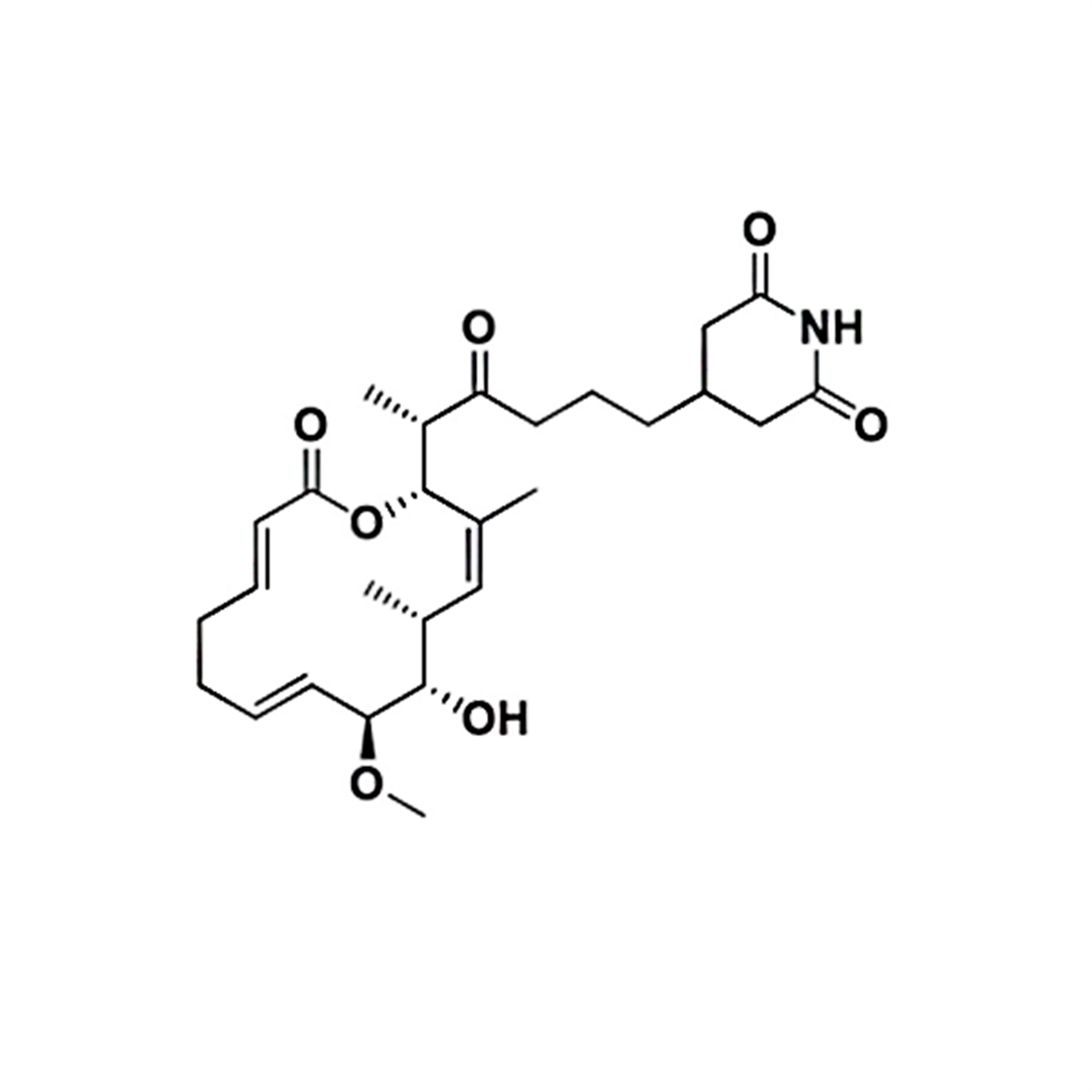 |
Migrastatin inhibited metastasis of human esophageal cancer cells and anchorage-independent growth of human small cell lung carcinoma cells. | |
|||||
| Macrolactams | Bisucaberin | 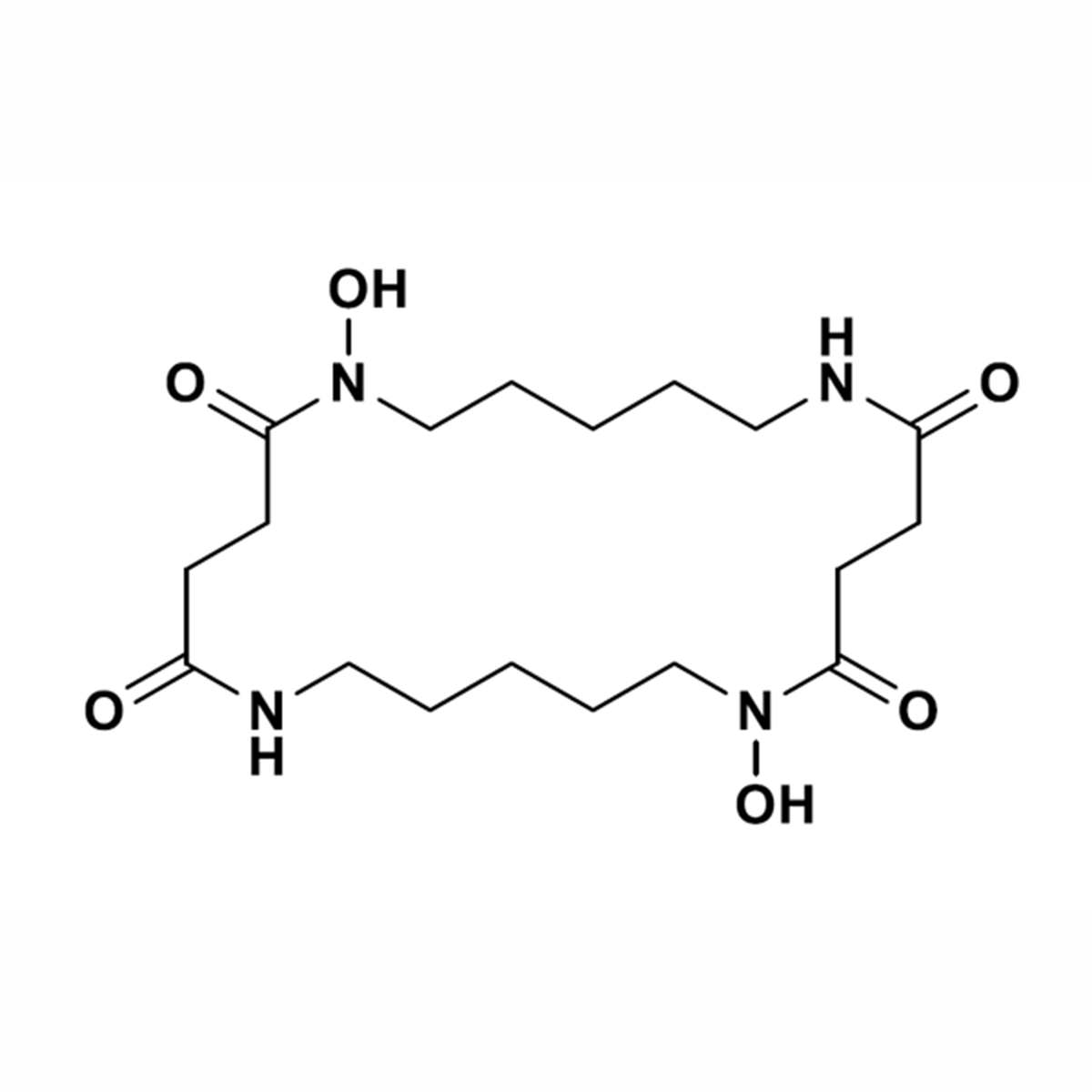 |
Bisucaberin is a siderophore with iron-affinity and induced concentration dependent macrophage-mediated tumor cell lysis. | |
||||
| Cyclic peptides | Bottromycin A2 | 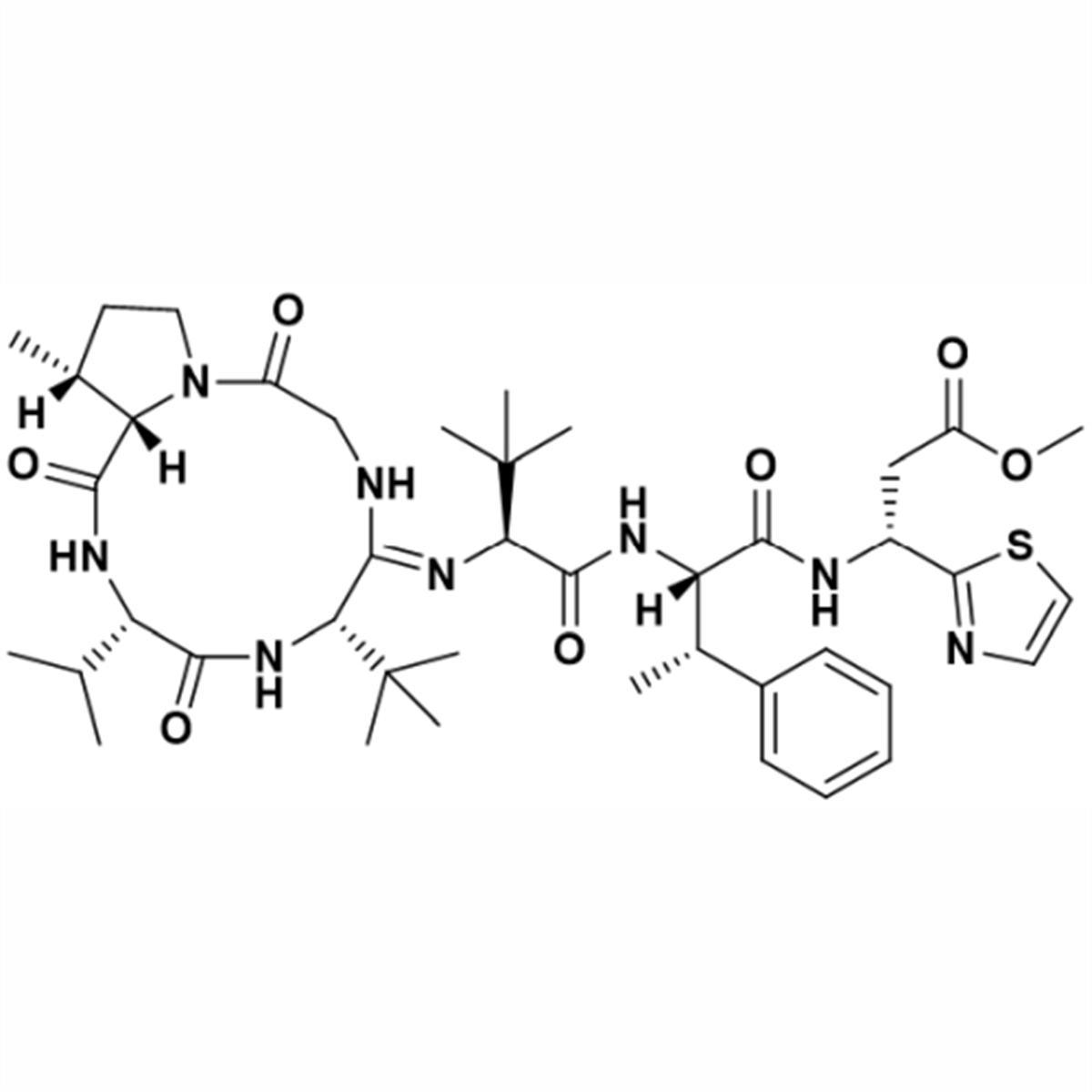 |
Bottromycin A2 showed growth inhibitory activity against gram-positive bacteria, MRSA (Methicillin-resistant Staphylococcus aureus), and VRE (Vancomycin-resistant Enterococci). | |
||||
| Iturin A-2 | 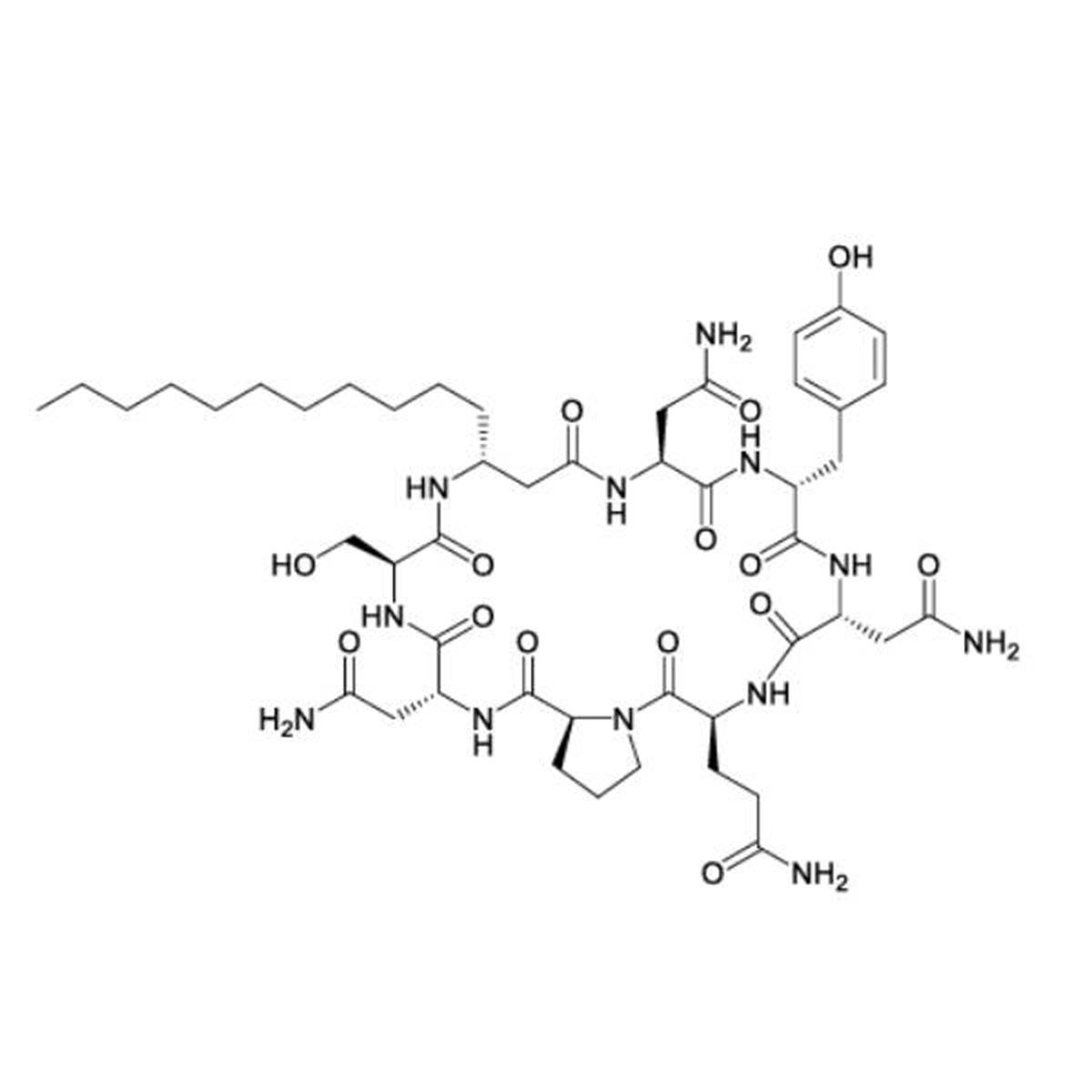 |
Iturin A-2 showed the control of damping-off of tomato (a seedling disease) and cytotoxicity to human breast cancer cell line BT-474. | |
|||||
| Plipastatin A1 |  |
Plipastatin A1 inhibited phospholipase A2 and induced ISR (induced-systemic-resistance). | Current Link | |||||
| Phepropeptin A |  |
Phepropeptin A inhibited proteasomal chymotrypsin-like activity. | |
|||||
| Phepropeptin B |  |
Phepropeptin B inhibited proteasomal chymotrypsin-like activity. | |
|||||
| Phepropeptin C |  |
Phepropeptin C inhibited proteasomal chymotrypsin-like activity. | |
|||||
| Phepropeptin D |  |
Phepropeptin D inhibited proteasomal chymotrypsin-like activity. | |
|||||
| Cycloalkenes | Rubratoxin A | 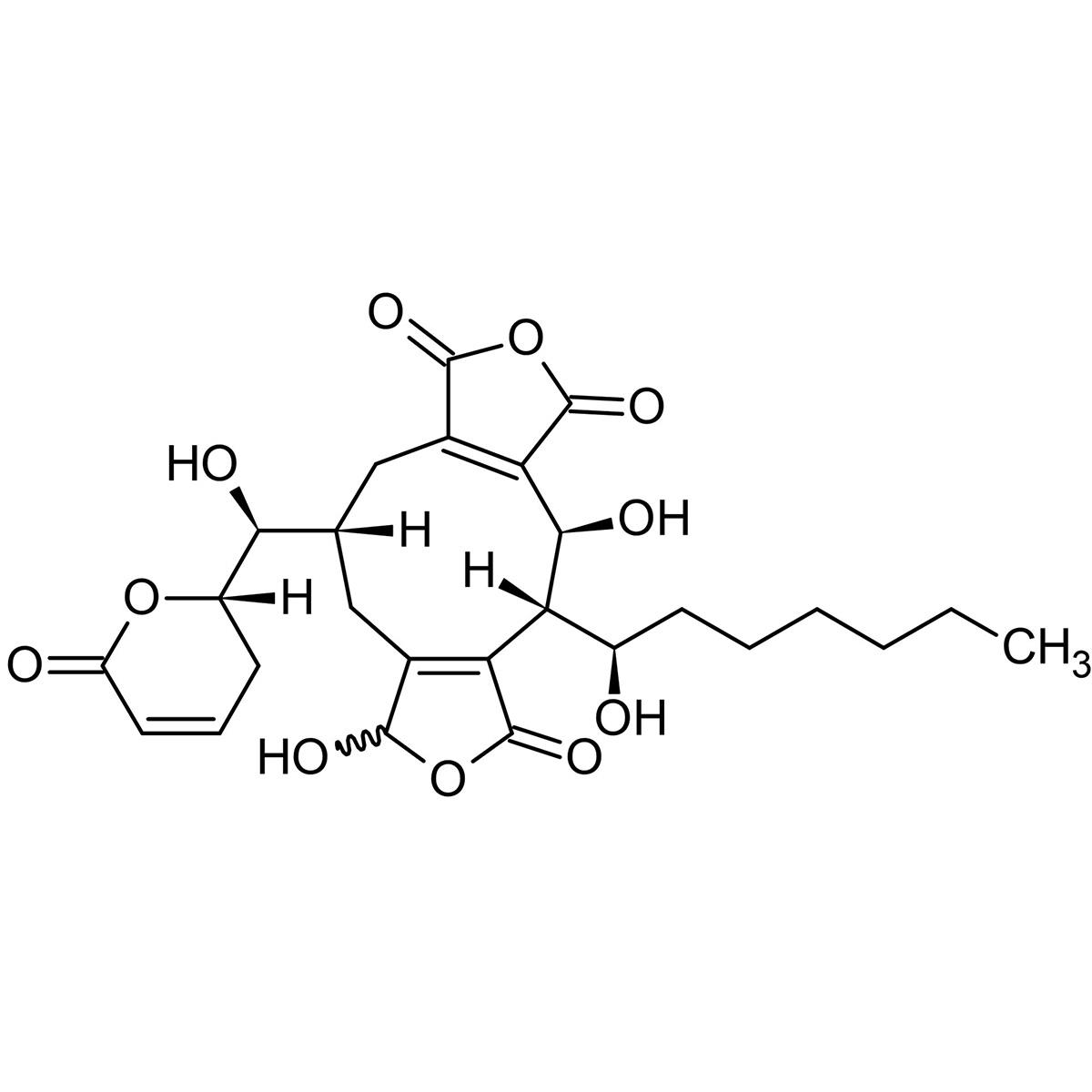 |
Rubratoxin A inhibited protein phosphatase 2A (PP2A) in a competitive manner. | |
||||