

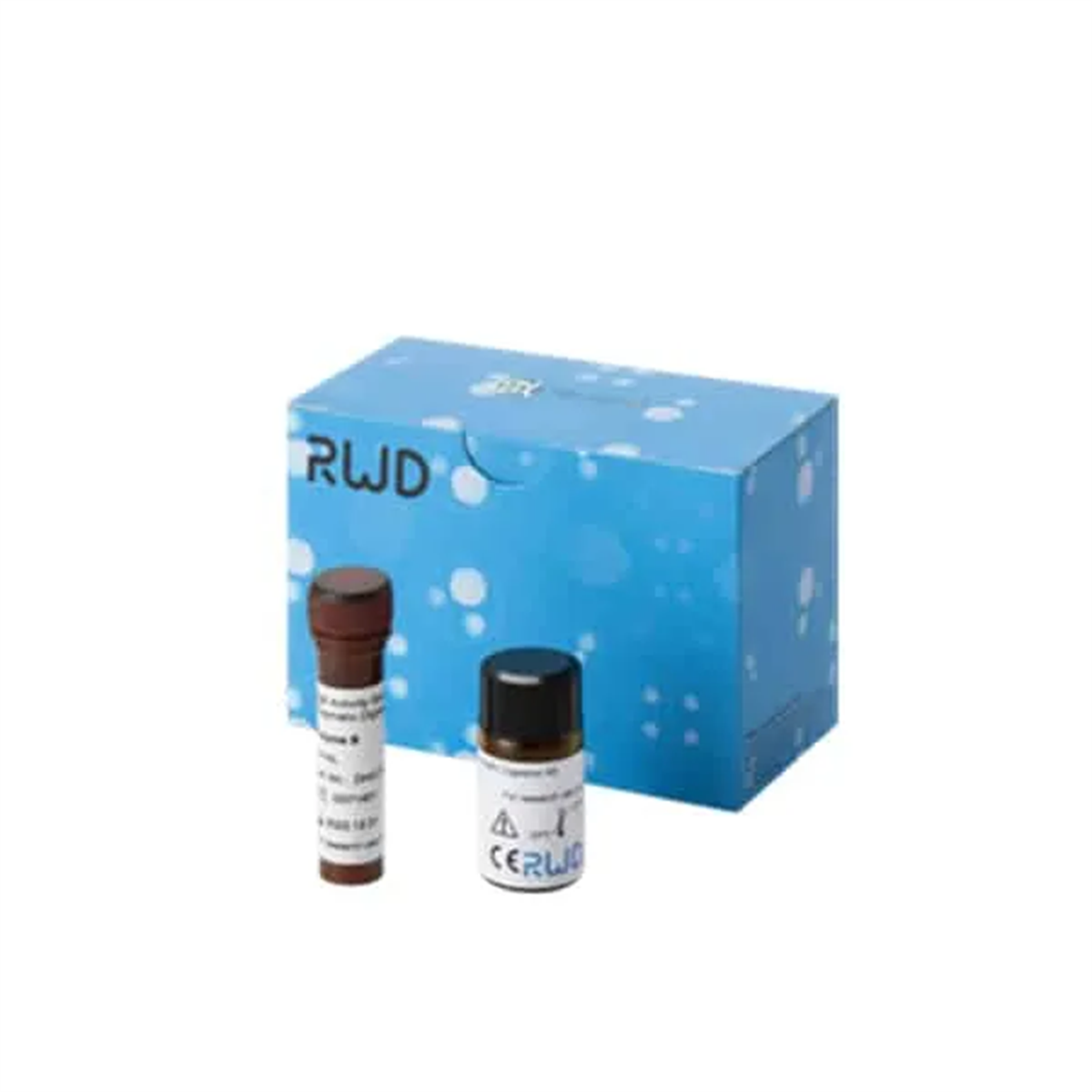
High Activity General Tissue Enzymatic Digestion Kit II, 50T
High Activity General Tissue Enzymatic Digestion Kit, 50T
Cat No.: RWD-DHGTP-5004Number of reactions: 50T
Description
High Activity General Tissue Enzymatic Digestion Kit II (the “Kit”) can prepare heart (noncardiomyocytes), lung, spleen, liver, kidney, lymph node, testis and thymus tissue of adult mice into single cell suspension gently, quickly and efficiently. This optimized protocol can help obtain as many single cell samples with high cell viability as possible, while maintaining the important surface epitopes of cells. The obtained single cell suspension can be applied in downstream experiments such as primary cell culture, cell sorting and single cell sequencing.
Main principle: Mechanical dissociation is in combination with enzymatic digestion of the extracellular matrix (while maintaining the intactness of tissue structure) to prepare the tissue into single cell suspension. RWD Single Cell Suspension Dissociator is chiefly used for mechanical dissociation, while the Kit mainly digests the tissue through enzymatic digestion. After dissociation, the cell suspension is filtered through the cell strainers to remove tissue residues to obtain single cell suspension.
Mouse neonatal heart
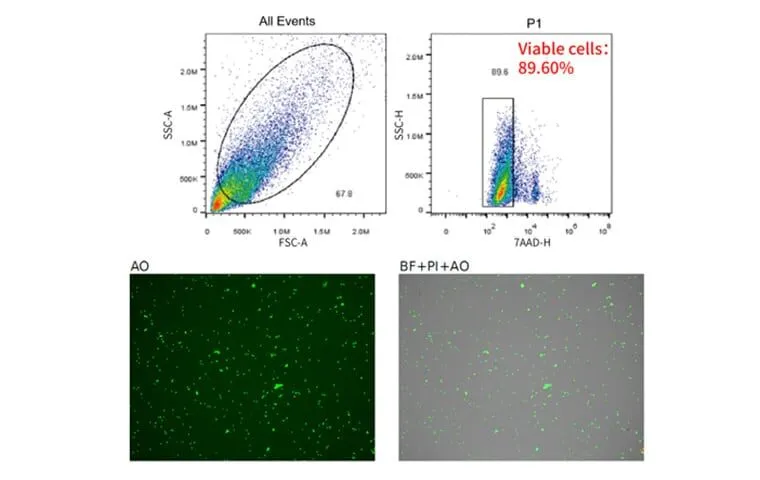
Test results show a cell viability of 89.60%, with a total cell count reaching 1.09 × 10^6 cells per 100 mg; the average diameter of total cells in the single-cell suspension was 10.84 μm, the average diameter of viable cells was 10.92 μm, and the average diameter of dead cells was 8.63 μm.
Mouse liver
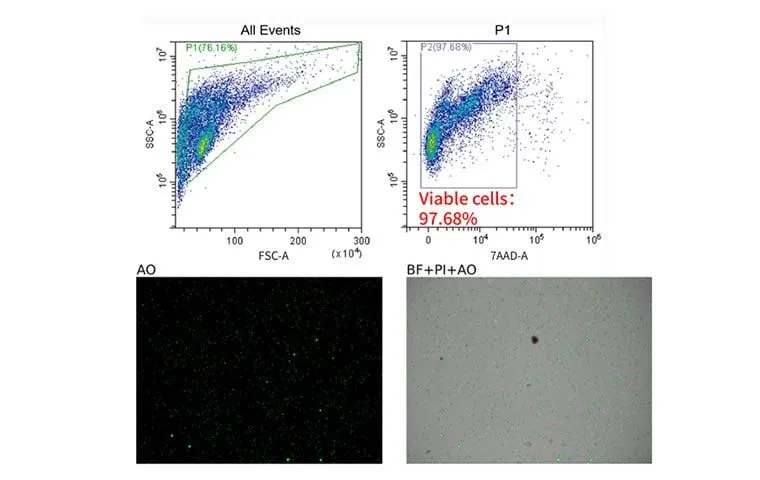
Test results show a cell viability of 97.68%, with a total cell count reaching 1.60 × 10^6 cells per 100 mg; the average diameter of total cells in the single-cell suspension was 11.75 μm, the average diameter of viable cells was 11.81 μm, and the average diameter of dead cells was 10.65 μm.
Mouse spleen
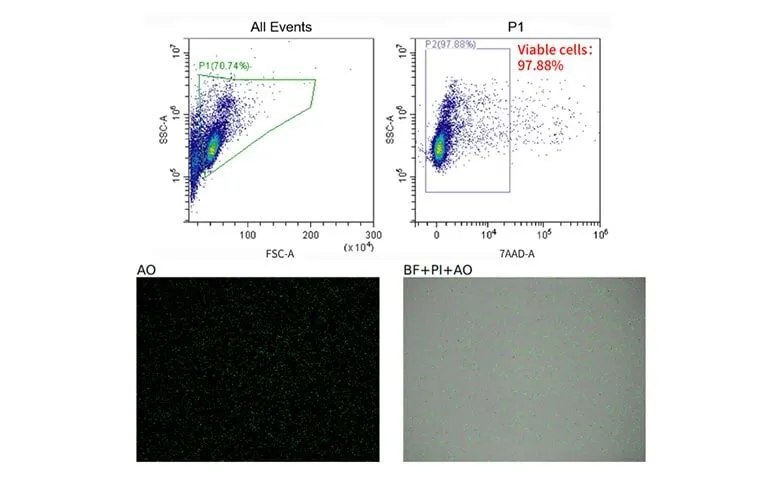
Test results show a cell viability of 97.88%, with a total cell count reaching 82.00 × 10^6 cells per 100 mg; the average diameter of total cells in the single-cell suspension was 8.97 μm, the average diameter of viable cells was 8.99 μm, and the average diameter of dead cells was 8.50 μm.
FAQs
Q: What are the storage conditions for tissue enzymatic digestion kits?
A: The enzyme types vary between different kits, so storage temperature depends on the specific kit. Follow the instructions carefully: store at either 4°C or -20°C as directed in the product manual.
Q: What are the tissue sample pre-processing precautions?
A: During tissue collection, carefully remove blood vessels and residual blood clots. Rinse tissues repeatedly with buffer to ensure cleanliness before digestion.
Q: Does the General Tissue Enzymatic Digestion Kit extract all cell types from the tissue?
A: No. This kit primarily isolates immune cells, general non-parenchymal cells, and endothelial cells from the respective tissues. Parenchymal cells from liver and alveolar cells from the lung cannot be efficiently obtained using this kit. For cardiomyocytes, the kit is effective only for hearts from neonatal mice or rats aged up to 3 days (P ≤ 3), but not for older animals (P > 3).
Related Products
| Cat No. | Product Description | Number of reactions | Link |
| RWD-DSC-410 | Single cell suspension dissociator | / |  |
| RWD-DHTE-5001 | High Activity Tumor Tissue Enzymatic Digestion Kit(Mouse) | 50T | |
| RWD-DHNBE-5002 | High Activity Neonatal Brain Enzymatic Digestion Kit(Mouse and Rat) | |
|
| RWD-DHABE-5003 | High Activity Adult Brain Enzymatic Digestion Kit(Mouse and Rat) | |
|
| RWD-DHTEH-2505 | High Activity Tumor Tissue Enzymatic Digestion Kit(Human) | 25T | |
| RWD-DHDR-5006 | High Efficiency Debris Removal Kit | 50T | |
| RWD-DHIE-5007 | High Activity Intestine Tissue Enzymatic Digestion Kit(Mouse) | |
|
| RWD-DHBTE-2508 | High Activity Brain Tumor Enzymatic Digestion Kit | 25T | |
| RWD-DHWSE-2509 | High Activity Whole Skin Enzymatic Digestion Kit(Mouse) | |
|
| RWD-DHAE-5010 | High Activity Adipose Tissue Enzymatic Digestion Kit(Mouse and Rat) | 50T | |
| RWD-DHME-5012 | High Activity Muscle Tissue Enzymatic Digestion Kit (Mouse and Rat) | 50T | |
| RWD-DHNE-2511 | High Efficiency Nuclei Extraction Kit | 25T | |
| RWD-DHHE-2515 | High Activity Hepatocyte Extraction Kit (Mouse and Rat) | 15T | |
| RWD-DHUTE-2516 | High Activity Umbilical Cord Enzymatic Digestion Kit (Human) | 25T | |
