
TCA Protein Precipitation Kit
TCA Protein Precipitation Kit
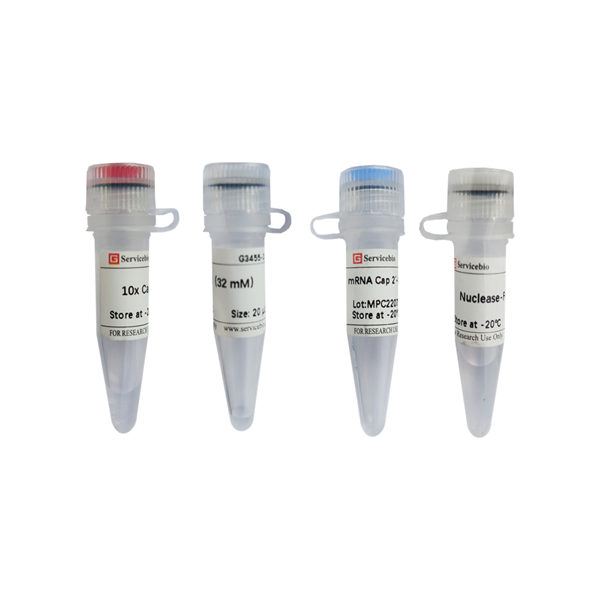
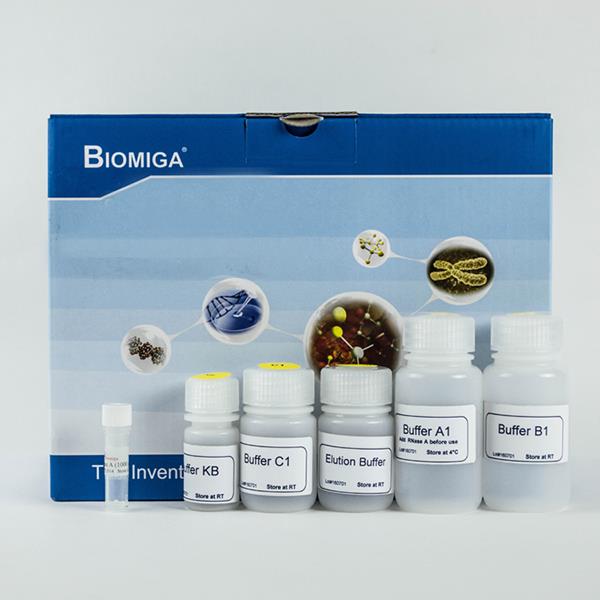
A complete, plant-optimized kit for TCA/acetone precipitation of total proteins. Includes TCA/acetone, wash solution, extraction buffer, SDS sample buffer, and DTT for clean, concentrated protein pellets ready for SDS-PAGE and 2-DE.
- Designed specifically for leaves, roots, seeds, and soft stems, including phenolic- and pigment-rich samples that are challenging with generic kits.
- Uses a pre-formulated TCA/acetone solution and cold acetone washes to precipitate proteins quickly in microcentrifuge tubes.
- Produces pellets that resolubilize readily in SDS sample buffer for 1D SDS-PAGE or in urea/thiourea-based buffers for 2-DE, suitable for downstream analysis of plant proteomes.
- Compatible with Coomassie and silver-stained SDS-PAGE, 2-DE, western blotting, and many enzyme activity or immunoblot workflows after resolubilization.
- Ultrapure Type 1 water (18.2 MΩ·cm)
- Customizable formulation available upon request
- pH7.5 for solution C and 6.8 for solution D
- AppearanceClear Solution
- Filtration0.1µm
- Shelf Life1 year
20% TCA in acetone
- Storage-20 °C
- Shelf Life1 year
- Trichloroacetic acid (TCA)4%
- Acetone80%
80% acetone wash solution
- Storage-20 °C
- Shelf Life1 year
- Acetone80%
- Ultrapure water20%
Plant Extraction Buffer (Tris–SDS–EDTA)
- Storage2-8 °C
- Shelf Life1 year
- Tris-HCl 50 mM
- SDS2%
- EDTA2 mM
- Sodium Chloride100 mM
- Glycerol10%
4× SDS Sample Buffer (non-reducing)
- Storage2-8 °C
- Shelf Life1 year
- Tris-HCl250 mM
- SDS8%
- Bromophenol Blue0.02%
- Glycerol40%
1 M DTT solution (frozen)
- Storage-20 °C
- Shelf Life1 year
- DTT solution1 M
Standard laboratory reagents filtered at 0.22 µm leave sub-micron particulates, mycoplasma, and aggregates that interfere with sensitive downstream applications. TCA Protein Precipitation Kit is manufactured under ISO 13485 quality systems with multi-stage ultra-filtration to eliminate these failure modes.
Complete TCA/acetone workflow
Pre-formulated TCA/acetone for rapid protein precipitation with cold acetone washes that remove pigments, lipids, and salts.
Plant extraction buffer
Tris–SDS–EDTA extraction buffer (Solution C) handles cell walls, polyphenols, and plant-specific interfering metabolites.
SDS sample buffer included
4X SDS sample buffer (non-reducing) with separate 1 M DTT for flexible preparation of reduced or non-reduced samples.
SDS-PAGE & 2-DE ready
Produces pellets that resolubilize readily for 1D SDS-PAGE, 2-DE, Western blotting, and comparative proteomics.
Sequential filtration system
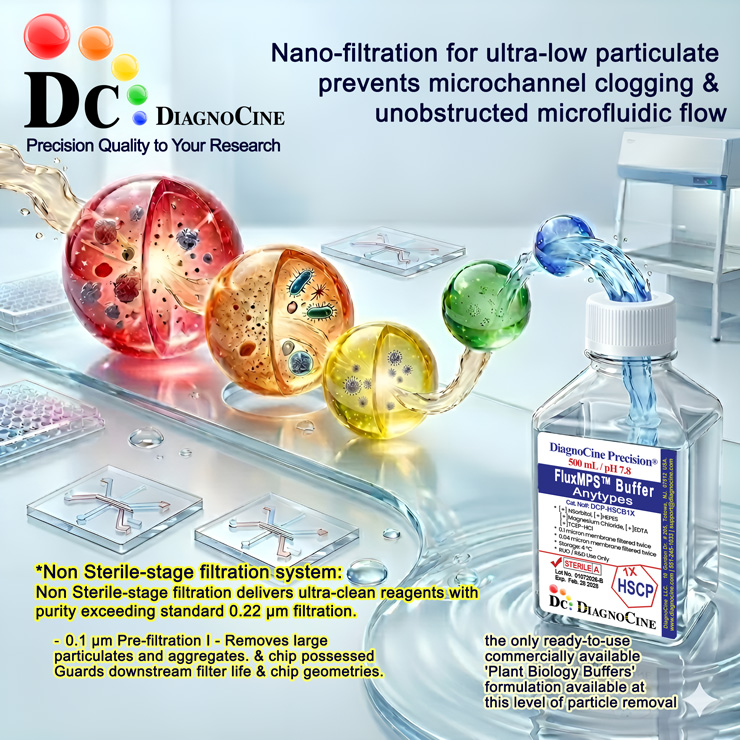
A sequential filtration process reaching 0.1 µm for clean reagent purity exceeding standard 0.22 µm filtration.
-
1
0.1 µm filtration
Removes large particulates, aggregates, and bacteria. Primary guard providing baseline purity exceeding standard 0.22 µm filtration.
Performance vs. conventional reagents
Standard 0.22 µm single-pass filtration leaves particles in the 0.12–0.22 µm range. Removes these contaminants for cleaner results and higher reproducibility.
Validated applications
- Preparation of total plant protein extracts for: 1D SDS-PAGE and western blotting
- 2-DE analysis of plant proteomes
- Enzyme assays or immunoprecipitation starting from clean, concentrated extracts (after appropriate resolubilization)
- Comparative proteomics of different tissues or treatments
- Suitable sample types: Fresh or frozen leaves, roots, stems, seeds, and other soft plant tissues
Workflow overview
- Homogenize plant tissue in liquid nitrogen and extract proteins with Plant Extraction Buffer plus protease inhibitors and DTT.
- Clarify extract by centrifugation and transfer supernatant.
- Mix extract 1:1 with TCA/acetone and incubate on ice or at -20 °C for 30-60 minutes to precipitate proteins.
- Pellet proteins by centrifugation and remove supernatant.
- Wash pellet 1-2 times with cold 80% acetone containing freshly added DTT to remove pigments, lipids, salts, and residual TCA.
- Air-dry the pellet briefly, then resolubilize in 1x SDS sample buffer for SDS-PAGE or in user-prepared 2-DE rehydration buffer for IEF.
Quality assurance & logistics
ISO 13485:2016 Certified
Manufactured under certified QMS with full traceability and lot documentation.
Made in USA
All manufacturing, QA testing, and final assembly at DiagnoCine Precision, Totowa, NJ.
Supporting literature
- Damerval C, De Vienne D, Zivy M, Thiellement H. Technical improvements in two-dimensional electrophoresis increase the level of genetic variation detected in wheat-seedling proteins. Electrophoresis. 1986;7(1):52-54.
- Mechin V, Damerval C, Zivy M. Total protein extraction with TCA-acetone. Methods Mol Biol. 2007;355:1-8.
- Wang W, Vignani R, Scali M, Cresti M. A universal and rapid protocol for protein extraction from recalcitrant plant tissues. Electrophoresis. 2006;27(13):2782-2786.