


Anti-Coplanar PCB #118
Product#: FNK-ACPM118AS
$412.85
Availability:
Ships in 1-2 Weeks
Anti-Coplanar PCB #118 (Mouse monoclonal antibody)
General information
| Cat. No. | :FNK-ACPM118AS | |||||||||||||||||||||||||||||||||||||||
| Size | :1.0 mL | |||||||||||||||||||||||||||||||||||||||
| Antigen | :PCB #118-KLH conjugate | |||||||||||||||||||||||||||||||||||||||
| Host Animal | :Mouse | |||||||||||||||||||||||||||||||||||||||
| Isotype | :IgG1 | |||||||||||||||||||||||||||||||||||||||
| Purification | :This antibody was isolated from culture supernatant of hybridoma by Protein G affinity chromatography. | |||||||||||||||||||||||||||||||||||||||
| Purity | :>80% by SDS-PAGE | |||||||||||||||||||||||||||||||||||||||
| Concentration | :0.1 mg/mL | |||||||||||||||||||||||||||||||||||||||
| Appearance | :Clear liquid | |||||||||||||||||||||||||||||||||||||||
| Storage | :Short term, 4℃, Long term, -20℃, Avoid freeze thaw cycles | |||||||||||||||||||||||||||||||||||||||
| Shipping Condition | :Dry Ice | |||||||||||||||||||||||||||||||||||||||
| Cross Reactivity |
|
|||||||||||||||||||||||||||||||||||||||
| Preservative | :0.1% Sodium azide | |||||||||||||||||||||||||||||||||||||||
| Presentation | :Supplied as a liquid in 0.01M Tris, 0.15M NaCl, 0.1% Sodium azide, pH 7.5 | |||||||||||||||||||||||||||||||||||||||
Human Diseases
- Linked to chronic inflammatory diseases such as cardiovascular disease, type 2 diabetes, and obesity.
- Elevated liver enzyme levels and chloracne reported in populations with exposure.
- Possible carcinogenic effects leading to various cancers.
Cellular Signaling Pathways
- Involvement of ERK1/2 pathway in cell proliferation during PCB exposure.
- Association with oxidative stress leading to changes in cellular functions.
Aliases for PCB 118 Gene
- 2,3',4,4',5-Pentachlorobiphenyl
References
- PCB-118 (Compound).” Exposome, exposome-explorer.iarc.fr/compounds/946.
- PCB No. 118.” PCB No. 118 | CAS 31508-00-6 | LGC Standards, www.lgcstandards.com/DE/en/PCB-No-118/p/DRE-C20011800.
- Author links open overlay panelDevrim Kaya a b, et al. “A Comparative Evaluation of Anaerobic Dechlorination of PCB-118 and Aroclor 1254 in Sediment Microcosms from Three PCB-Impacted Environments.” Journal of Hazardous Materials, Elsevier, 3 Aug. 2017, www.sciencedirect.com/science/article/abs/pii/S0304389417305940.
- Ruggeri, Rosaria, et al. “Polychlorinated Biphenyl Congeners PCB 118 and PCB 126 Induce Upregulation PD-L1 Expression in Human Thyrocytes through Aryl Hydrocarbon Receptor (AHR) Pathways.” Endocrine Abstracts, Bioscientifica, 2 Sept. 2022, www.endocrine-abstracts.org/ea/0084/ea0084ps2-06-56.

Recently Viewed

Thermal Cycler
$0.00
OmniFix Tissue Clearing Kit
$440.00
96-Well Deep Well Plates
$0.00
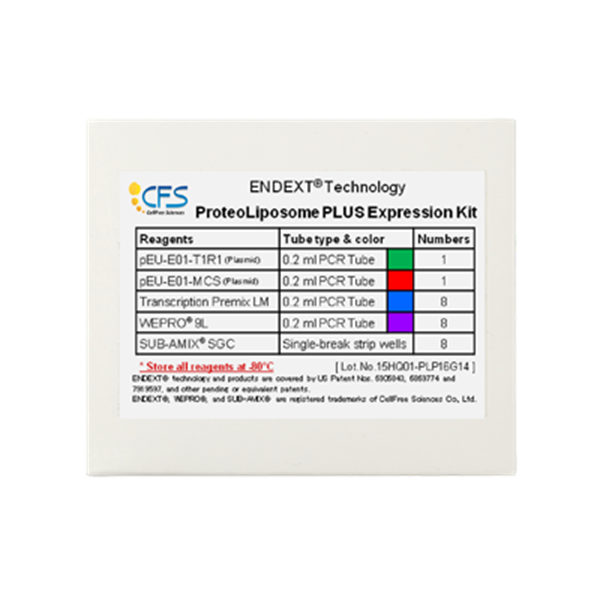
ProteoLiposome PLUS Expression Kit
$1099.99
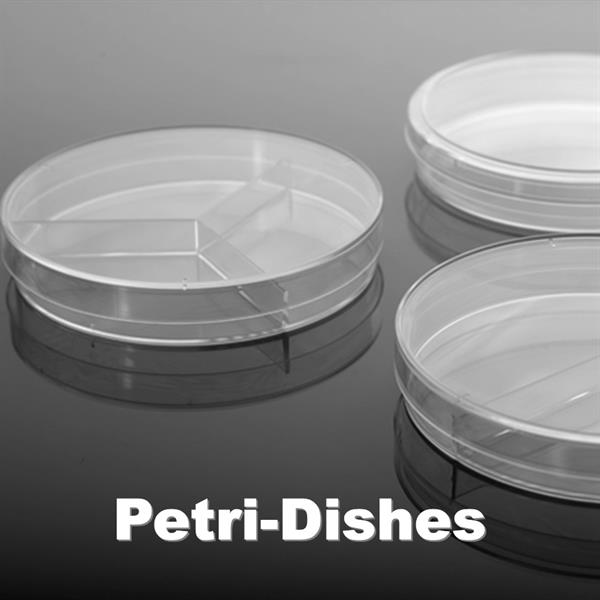
Petri-Dishes
$0.00

FSD Fluor™ 647 NHS ester
$3943.36