

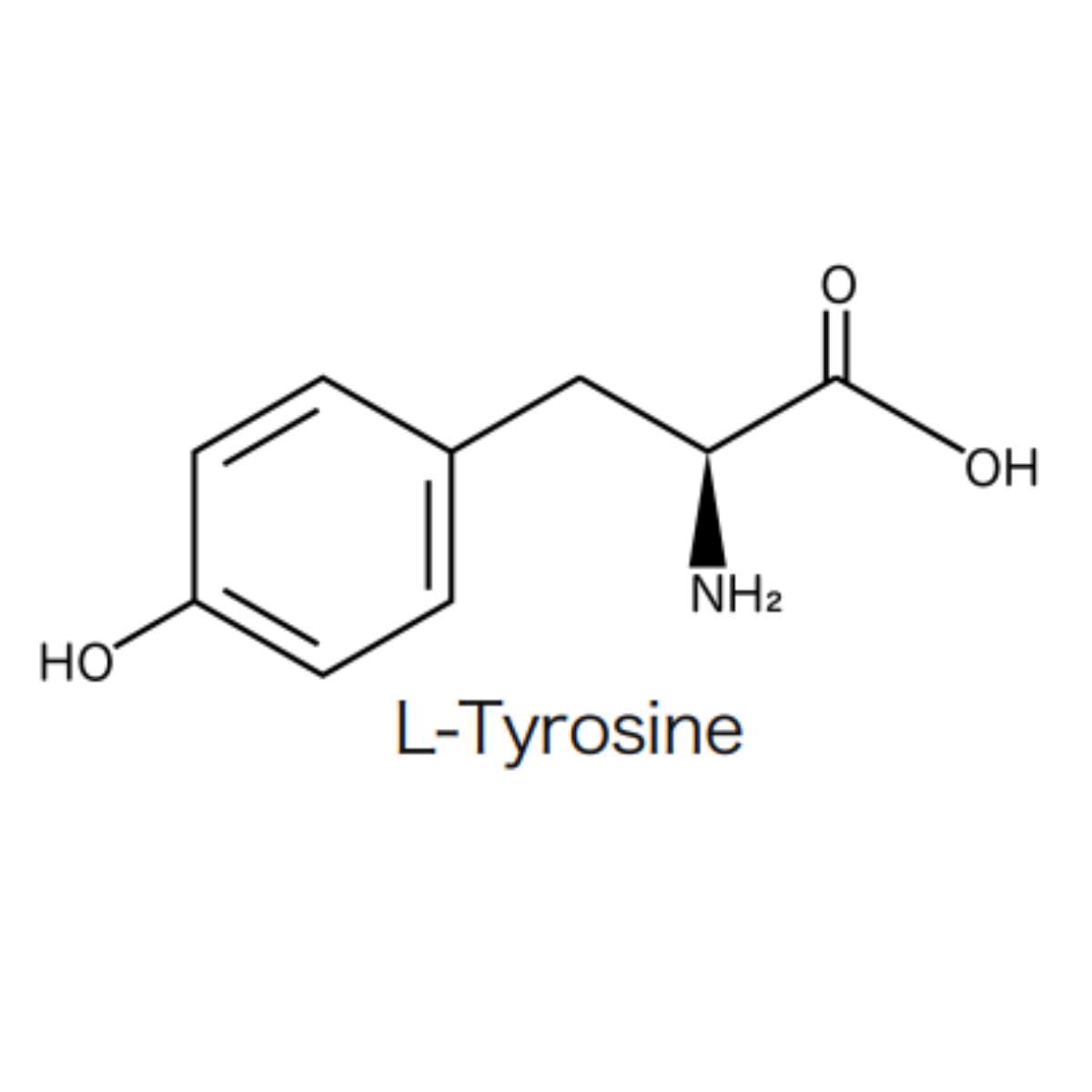
Mushroom Tyrosinase Inhibitor Screening Kit (Diphenolase activity), 96tests
Product#: FNK-SL-7011
$429.15
Availability:
Ships in 48 hours
Mushroom Tyrosinase Inhibitor Screening Kit (Diphenolase activity), 96tests
Cat. No.: FNK-SL-7011Size: 1 kit, 96 tests
Storage: -20℃
Description:
This kit can screen compounds which inhibit and promote diphenolase activity of mushroom derived tyrosinase. (The expiration date of the product is 3 month from the date of manufacture.)
1-1. Introduction
Tyrosinase (EC1.14.18.1) is one of important enzyme in melanin biosynthesis and present universally in all living organisms.
The enzyme catalyzes two types of reaction: the ortho-hydroxylation of monophenols, rendering into o-diphenols
(monophenolase activity), and the oxidation of o-diphenols to o-quinones (diphenolase activity). Melanins are the pigments
responsible for pigmentation of skin, hair, eye-lens and some regions in brain. They play role in coloration, absorption of UV
radiations and electron transfer properties and prevents sun induced skin injuries. However, excessive melanogenesis
results in browning in skin pigmentation and during fruit harvesting and handling. Because inhibitions of tyrosinase bring
skin-whitening and plant-bleaching, tyrosinase inhibitors have been developed in the skin health research, cosmetics and
agricultural industries.
Mushroom Tyrosinase Inhibitor Screening Kit (Diphenolase activity)(SL-7011) provides a rapid, simple, sensitive, and reliable
test suitable for high-throughput screening of tyrosinase inhibitors. Mushroom tyrosinase catalyzes the oxidation of the
DOPA as a substrate, producing a chromophore that can be detected at OD = 495 nm. In the presence of kojic Acid
(Inhibitor control), a reversible inhibitor of tyrosinase, the rate of oxidation of the substrate is decreased.
1-2. Applications
Screening and characterizing tyrosinase inhibitors
2. Kit Components

| Assay buffer | 25 mL | |
| Enzyme (Mushroom tyrosinase) | 150 μL X 4 | |
| Substrate(L-DOPA) | 300 μL | |
| Enhancer | 300 μL | |
| Inhibitor control (10mM Kojic acid) | 300 μL | |
| 96 well microplate | 1 plate |
3. User Supplied Reagents and Equipment
- Microplate reader (480-510nm filter)
- Incubator (25-30℃)
- Multichannel pipette(recommendation)
4. Storage
- Assay buffer Store at 4℃
- Enzyme Store at -20℃
- Substrate (L-DOPA) Store at -20℃
- Inhibitor control (Kojic acid) Store at -20℃
- 96 well microplate Store at room temperature
This kit store at -20ºC in the dark immediately upon receipt. Unused components are stable for 6 months. After use, individual prepared components stored at the following temperature. Reconstituted components are stable for 3 months.
5-1. Tyrosinase Assay Buffer
Ready to use as supplied. Equilibrate to room temperature before use.
5-2. Enzyme solution
Thaw Enzyme on ice before use. For each well, prepare 20μL Enzyme solution. Keep on ice while in use.
| Assay Buffer | 15μL | |
| Enzyme | 5μL |
5-3. Substrate solution(The solution is prepared immediately before use)
Thaw Substrate buffer, Substrate and Enhancer at room temperature before use. For each well, prepare 60μL Substrate solution.
| Assay Buffer | 55μL | |
| Substrate | 5μL |
5-4. Sample & Inhibitor control
Sample can be diluted to the desired test concentration with Assay buffer before use. Inhibitor control (10mM Kojic acid) is ready to use as supplied. Thaw Inhibitor control at room temperature before use. The final concentration is 2mM.
6. Experimental Protocol
- Step1 (Sample preparation): Add 20μL of Control (Assay buffer), Inhibitor control and Samples for each well on 96 well microplate.
- Step2 (Enzyme preparation): Add 20μL of Enzyme solution for each well and gently shake. Incubate at 25-30℃ for 10min.
- Step3 (Substrate preparation) Add 60μL of Substrate solution for each well and gently shake. Incubate at 25-30℃ for 30-60 min.
- Step4 (Measurement): Measure the absorbance after 30min (T30) and 60 min (T60) of incubation at 480-510nm (recommended wavelength is 495nm). The absorbance (AbsT30 & T60) of two time points is obtained.
7. Calculations
Calculate % Relative Inhibition as follows:
Δ(Control) = AbsT60(Control) - AbsT30(Control)
Δ(Sample) = AbsT60(Sample) - AbsT30(Sample)
% relative inhibition=
Δ(Control)Δ(Control) - Δ(Sample)
x 100
8. Sample of Results
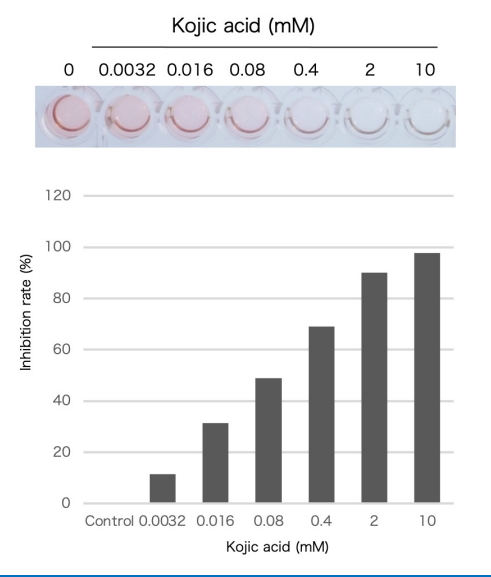
Figure 1. Inhibitions of Tyrosinase activity (Diphenolase activity) with Kojic Acid
| Activity | Monophenolase activity | Diphenolase activity |
| Substrate | L-Tyrosine | L-DOPA |
| Kojic acid | 80μM | 80μM |
| α-Arbutin | 1,700μM | No inhibition |
| β-Arbutin | 2,000μM | No inhibition |
| Hydroquinone | 160μM | No inhibition |
| Ascorbic acid | 20μM | 390μM |
Recently Viewed
Mannitol Salt Agar Plates
$75.60

Ultra Agar, SV-100
$101.57

Agar, UP-37 (10)
$874.17
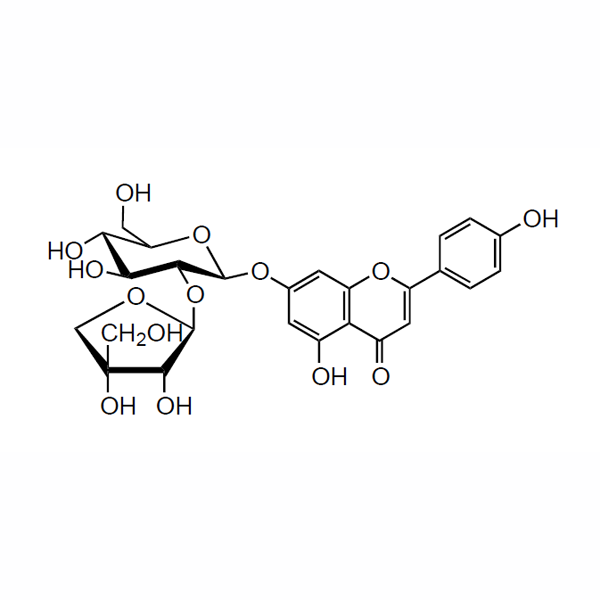
Apiin (10 mg)
$832.26

Agar, UP-37K
$104.88
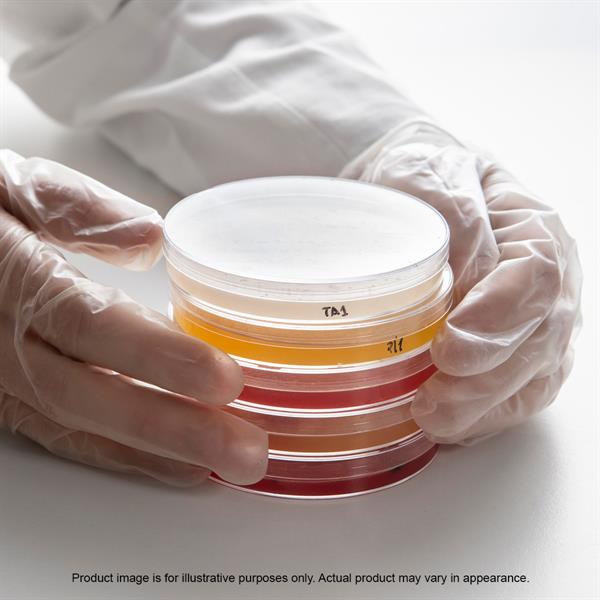
Nutrient Agar Plates
$76.78

Agar, UP-37
$101.57

Agar, S-9
$108.03

Agar, UP16K
$108.51
Weigh Boats
$0.00

InaGel, PG-10
$85.73

Ina Agar, YAWARA-S
$93.32

InaGel, N-65P
$61.12