MacConkey Agar/W Gentamicin
Catalog No: DCP-MCAPG
Type of Specimen: food and dairy samples, water samples
Concentration: 10 µg/mL
Size:100 mm
Storage: Keep away from light at 4°C
Shipping Condition: Blue ice
Appearance: Light red colored clear to slightly opalescent
Sterile
Shelf life: 4 weeks
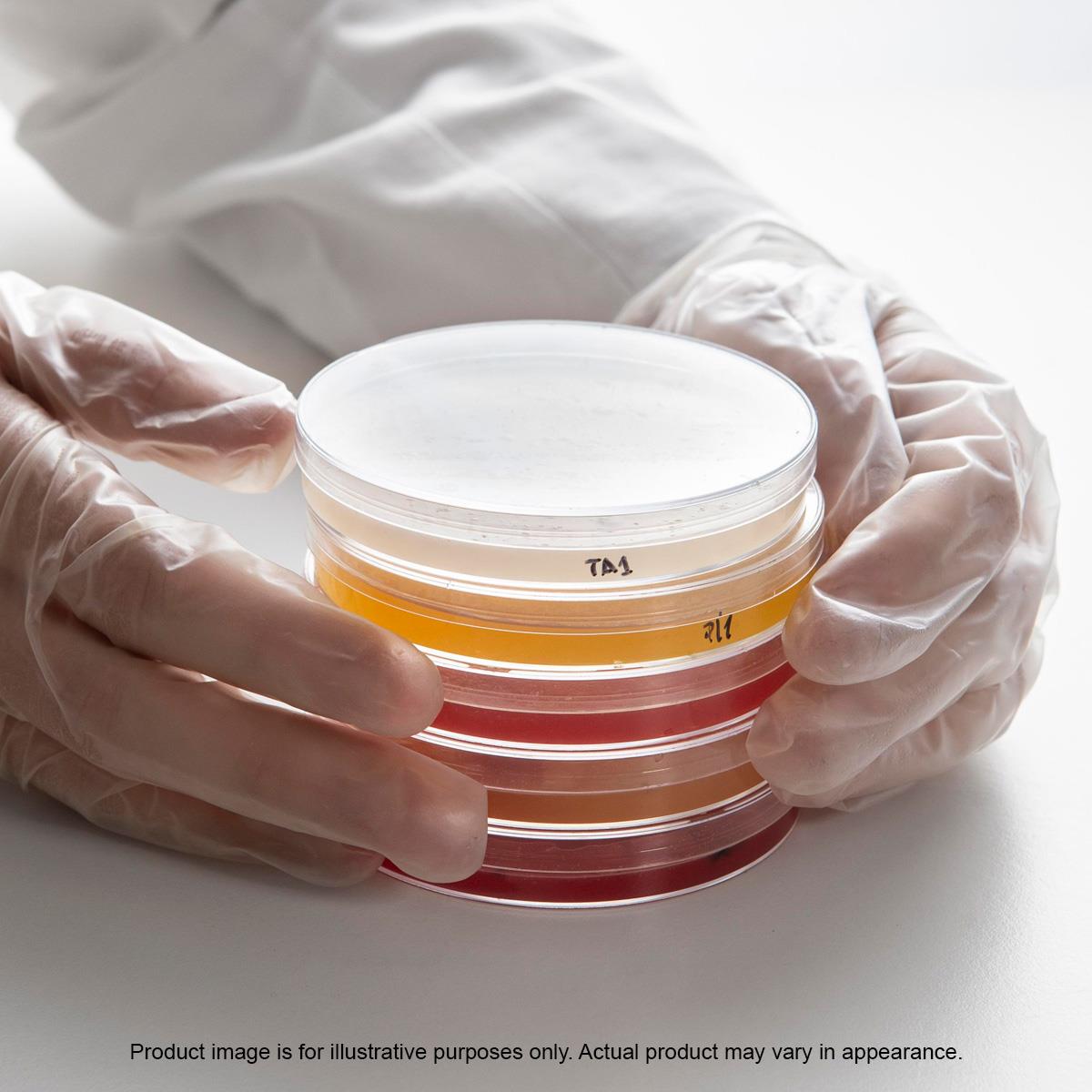
*All agar plates are manufactured with ultrapure water, deionized and demineralized to minimize ionic and organic contaminants. The premium ISO certified agar solution is sterilized by a full cycle of autoclaving. Each 100mm plate has 20mL of agar medium in premium plastic dish
Description:
MacConkey Agar with gentamicin is a selective and differential medium designed for the isolation, identification, and enumeration of enteric microorganisms from food, dairy, and water samples. MacConkey Agar is widely used in the microbiological examination of milk, dairy products, and pharmaceutical preparations.
Peptones in the medium supply nitrogenous and carbonaceous compounds, long-chain amino acids, vitamins, and other essential growth nutrients. The selective properties of MacConkey Agar are due to the presence of crystal violet and bile salts, which inhibit most gram-positive bacteria, allowing for the growth of gram-negative organisms. The addition of gentamicin, an aminoglycoside antibiotic, further enhances selectivity by inhibiting a broader range of bacteria through its action on bacterial ribosomes, thereby impeding protein synthesis.
Lactose fermenting strains grow as red or pink colonies, sometimes surrounded by a zone of acid-precipitated bile. The red coloration results from acid production during lactose fermentation, which lowers the pH, causing neutral red dye to change color when the pH drops below 6.8. Non-lactose fermenting strains, such as Shigella and Salmonella, appear colorless and transparent, typically not altering the medium's appearance.
Applications:
- Isolate and identify gentamicin-resistant gram-negative organisms
- Suppress gentamicin-sensitive bacteria, focus on resistant strains
- Monitor prevalence and spread resistance
- Assess susceptibility and confirm resistance in clinical isolates
- Study resistance mechanisms and evaluate new antimicrobials
* This product is manufactured under ISO 13485-certified and CE-approved facilities (Suppliers of DiagnoCine Precision). All final packaging, quality assurance, and testing are done at the DiagnoCine R&D and Quality Testing Center. All specific customization requests and assembly were accomplished at DiagnoCine Precision in Totowa, New Jersey, USA