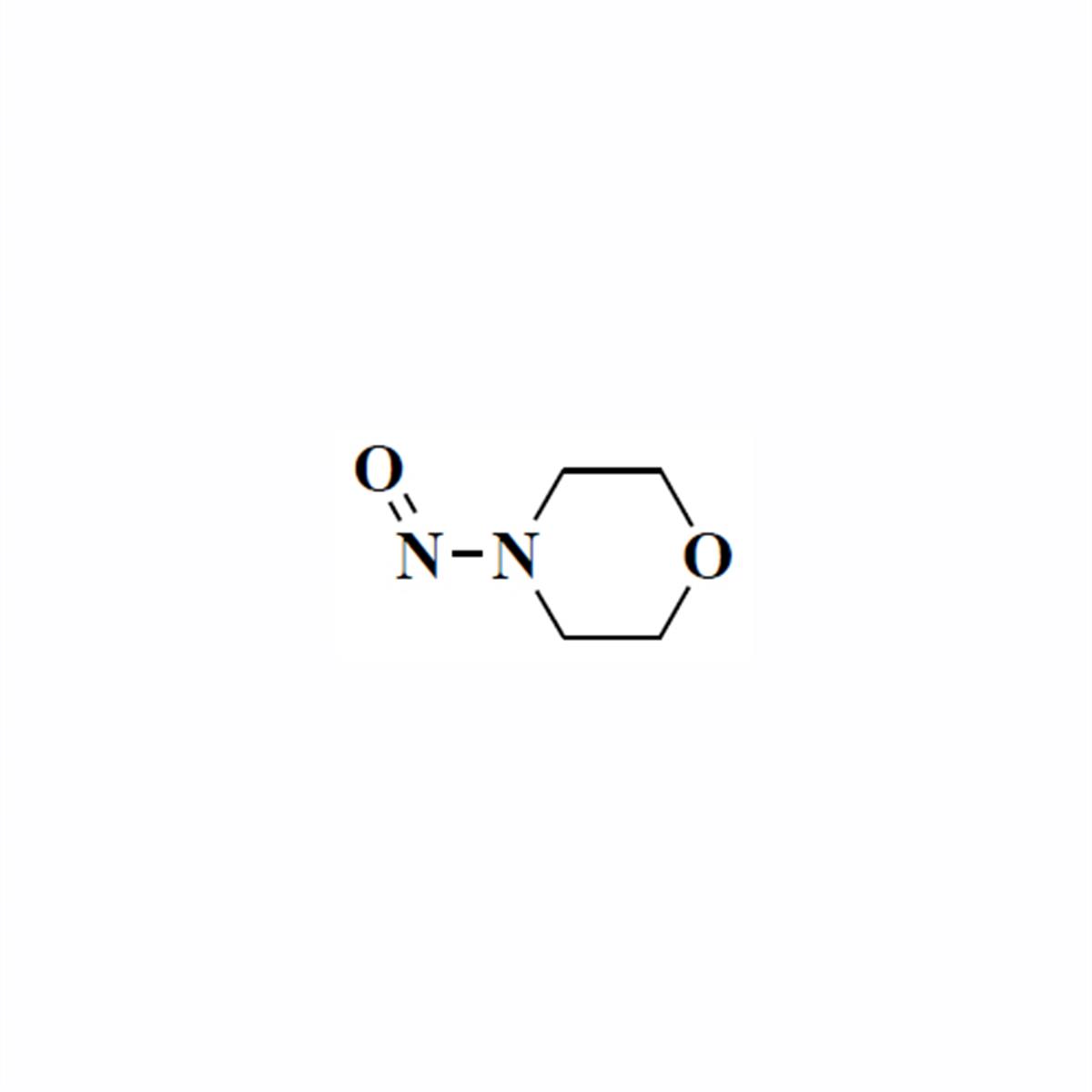
4-Nitrosomorpholine
Product#: Gly-GMSI-106
$90.00
Availability:
Ships in 1-2 Weeks
4-Nitrosomorpholine
- CAT Number : Gly-GMSI-106
- CAS Number : 59-89-2
- Molecular Weight : 116.12
- Molecular Formula : C4H8N2O2
- Pack size: 1 g
4-Nitrosomorpholine (also known as N-Nitrosomorpholine or NMOR) is an organic compound with the molecular formula C4H8N2O2. It's a pale yellow powder at room temperature.
Property
- Molecular weight: 116.12 g/mol
- Melting point: 29°C (84°F)
- Appearance: Pale yellow powder
- Chemical structure: Contains a morpholine ring with a nitroso group attached
Application and Usage
- Used as a reference standard in analytical testing, particularly in the food and beverage sector
- Employed in scientific research, especially for developing liver cancer models in rats
- Not intentionally used in products but can form as a byproduct in various industrial processes
Safety and Handling
- Known carcinogen and mutagen
- Should be handled with extreme caution in laboratory settings
- Proper personal protective equipment should be used
- Store at +4°C according to manufacturer guidelines
Involved Human Diseases
Cancer
- Liver cancer: NMOR is a known hepatocarcinogen in animal studies and is used to generate liver cancer models in rats15.
- Lung cancer: Animal studies have shown NMOR to cause lung tumors3.
- Kidney cancer: Oral exposure to NMOR in animal studies has resulted in kidney tumors3.
- Nasal cavity cancer: Animal studies have demonstrated NMOR's ability to induce nasal cavity tumors3.
Liver Diseases
- NMOR may contribute to liver damage and diseases:
- Chronic liver damage: Animal studies have reported effects on the liver from chronic exposure to NMOR3.
- Potential exacerbation of existing liver conditions: While not directly stated, NMOR's hepatotoxic effects could potentially worsen pre-existing liver disorders.
Genetic Disorders
NMOR's genotoxic properties may contribute to genetic disorders:
- DNA damage: NMOR and its metabolites can induce DNA damage through the formation of reactive oxygen species or DNA-crosslinking compounds5.
- Mutations: The compound's mutagenic properties could potentially lead to genetic disorders, though specific diseases are not mentioned in the search results.
Respiratory Diseases
While not explicitly stated, NMOR's presence in tobacco products and its ability to cause lung tumors in animals suggest potential risks for respiratory diseases5.
It's important to note that while these potential health effects are based on animal studies and occupational exposure data, direct evidence in humans is limited. The International Agency for Research on Cancer (IARC) has classified NMOR as a Group 2B carcinogen, meaning it is possibly carcinogenic to humans3. Further research is needed to establish clear links between NMOR exposure and specific human diseases.