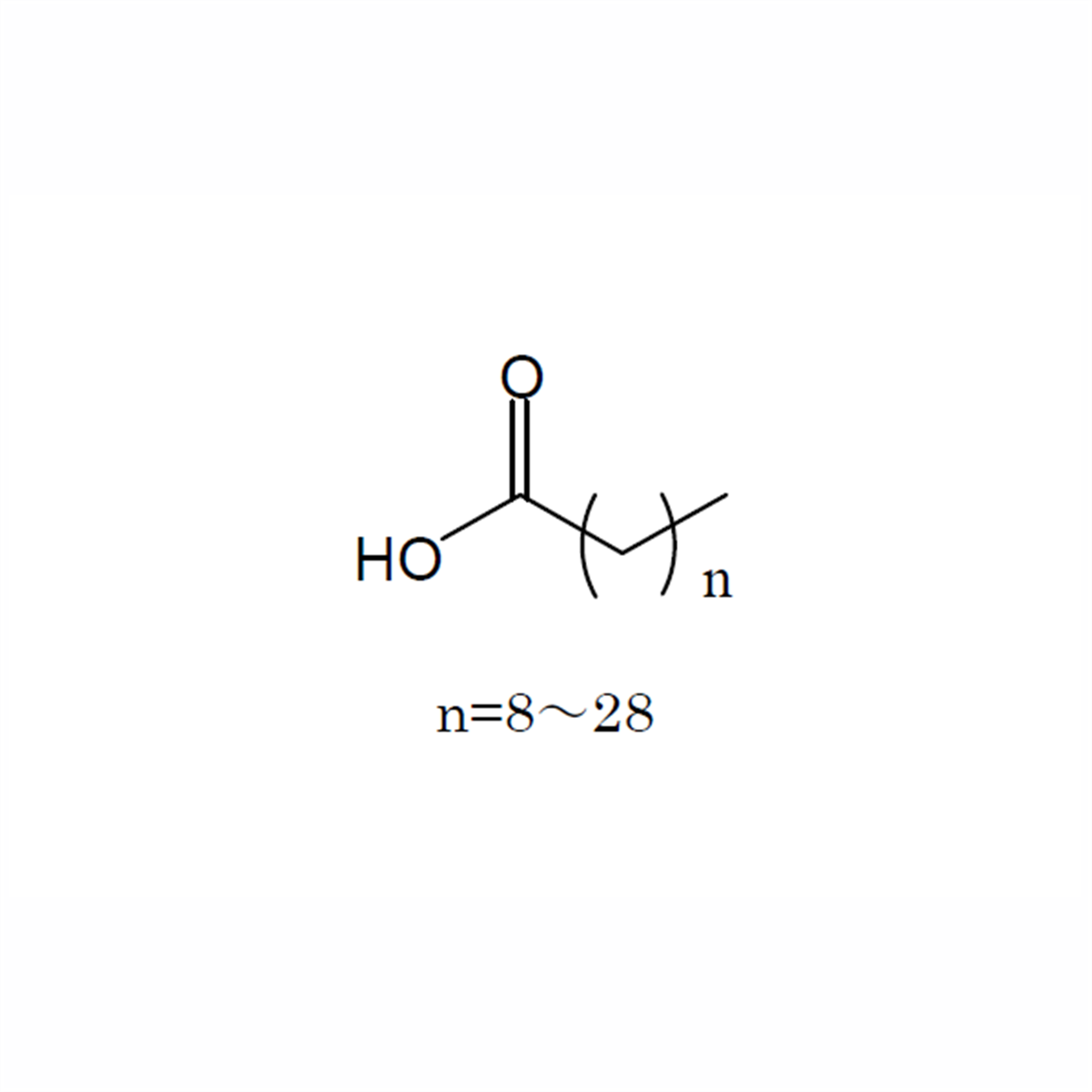
Tridecanoic acid
Product#: FNK-NS411105
$153.48
Availability:
Ships in 1-2 Weeks
Tridecanoic acid
- CAT Number : FNK-NS411105
- CAS Number : 638-53-9
- Molecular Weight : 214.35
- Molecular Formula : C13H26O2
- Pack size: 10 g
- Store: 2-10 ℃
- Purity: >99.5%(HPLC)
Tridecanoic acid, also known as N-tridecanoic acid or C13:0, is a 13-carbon medium-chain saturated fatty acid. It belongs to the class of organic compounds known as long-chain fatty acids.
Property
- Chemical Name: Tridecanoic acid
- Molecular Formula: C13H26O2
- Molecular Weight: 214.35 g/mol
- CAS Number: 638-53-9
- Appearance: White solid
- Solubility: Practically insoluble in water, very hydrophobic
- Used as an analytical standard for quantitative titration in research and quality control
- Potential applications as an antipersister and antibiofilm agent
- Employed in studies investigating the biological activities of fatty acids
- Handle with appropriate personal protective equipment including gloves and safety goggles
- Store in a cool, dry place
- Avoid inhalation, ingestion, and contact with skin and eyes
Antimicrobial Properties
Tridecanoic acid has demonstrated antimicrobial effects against certain bacteria:
It effectively inhibits Escherichia coli (E. coli) persistence and biofilm formation. This property could be valuable in combating antibiotic-resistant bacterial infections.
Along with undecanoic acid and lauric acid, tridecanoic acid was shown to inhibit persister formation in enterohemorrhagic E. coli (EHEC), a pathogenic strain responsible for food poisoning outbreaks.
Potential Therapeutic Applications
While research is still limited, tridecanoic acid shows promise in several areas:
It may have applications in therapeutics, food preservation, and agriculture due to its antimicrobial properties.
As a fatty acid, it could potentially be used to increase the solubility of new drugs, including anti-cancer, anticoagulant, and anti-depressant medications.
Disease Associations
Some studies have investigated tridecanoic acid in relation to specific diseases:
Ulcerative colitis: Tridecanoic acid has been mentioned in research related to ulcerative colitis, though the exact nature of this association requires further investigation.
Involved Cell Signaling Pathway
Specific pathways for tridecanoic acid are not provided in the search results. However, fatty acids are known to modulate various signaling pathways, which may include:
- Lipid metabolism pathways
- Inflammatory response pathways
- Cell membrane signaling processes