

Nafuredin, 1mg
Product#: FNK-BLK-0520-1mg
$475.59
Availability:
Ships in 1-2 Weeks
Nafuredin (1mg)
Cat No: FNK-BLK-0520-1mg
Product ID and Size
| Cat No. | Description | Size | Link |
| FNK-BLK-0520-100μg | Nafuredin | 100μg |  |
| FNK-BLK-0520-1mg | Nafuredin | 1mg | |
Description
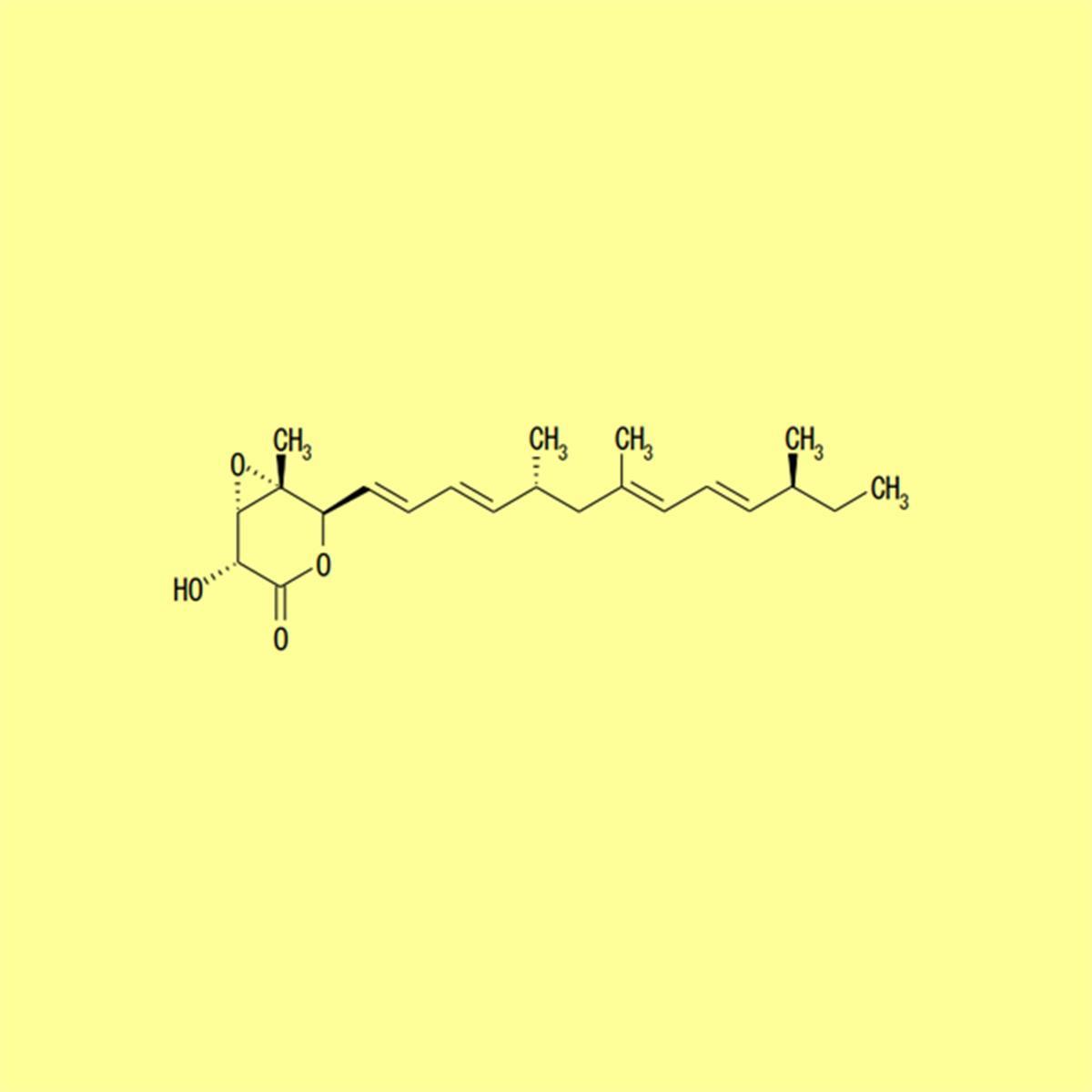
Nafuredin was isolated from Aspergillus niger which is marine strain. It inhibits NADH-fumarate reductase of anaerobic electron transport system in helminth mitochondria. Moreover, nafuredin exerts anthelmintic activity against Haemonchus contortus in in vivo trials with sheep.
Origin: Trichoderma harzianum.
CAS Registry Number: 224427-79-6
CA Index Name: (1R,2R,5R,6S)-5-Hydroxy-1-methyl2-[(1E,3E,5R,7E,9E,11S)-5,7,11- trimethyltrideca-1,3,7,9-tetraenyl]- 3,7-dioxabicyclo[4.1.0]heptane-4- one
Appearance: 5mmol/ml DMSO solution
Molecular Formula/ Weight: C22H32O4=360.50
Purity: 95.0% by HPLC
Solubility: Sol. DMSO, EtOH, EtOAc, Chloroform Inso. Water, Hexane
Handling and Storage: Store at -20℃. Do not dry up.
Relevance in Human Disease
- Treatment of Helminth Infections: Helminth infections, such as those caused by Haemonchus contortus, are significant health problems globally. Nafuredin's ability to selectively inhibit helminth mitochondrial enzymes makes it a promising candidate for developing new anthelmintic drugs.
- Potential Impact on Immune Response: Helminth infections can impair the host's immune response to other diseases, such as HIV and tuberculosis. By effectively treating helminth infections, nafuredin may indirectly help improve immune responses to these diseases.
- Addressing Drug Resistance: The emergence of resistance to existing anthelmintics necessitates the development of new drugs. Nafuredin offers a novel mechanism of action that could be effective against resistant strains of helminths.
Cell Signaling Pathway
Nafuredin is primarily associated with the inhibition of specific electron transport pathways in helminth mitochondria. The key pathway related to nafuredin is the NADH-fumarate reductase system, which is unique to anaerobic energy metabolism in helminths. This system includes:
- Complex I (NADH-rhodoquinone reductase): Nafuredin inhibits this complex by competing for the quinone-binding site, which is crucial for electron transport in helminth mitochondria.
- Complex II (rhodoquinol-fumarate reductase): Although nafuredin primarily targets Complex I, it also affects Complex II as part of the NADH-fumarate reductase system.
References:
- J Antibiot (Tokyo). 2001 Mar;54(3):234-8.
- Proc Natl Acad Sci U S A. 2001 Jan 2;98(1):60-2.

Recently Viewed

Robotic Tips
$0.00
Protein Labeling
$0.00
cDNA Library
$0.00

Reverse Transcriptase
$0.00
Target Detection
$0.00


Racks/Boxes
$0.00
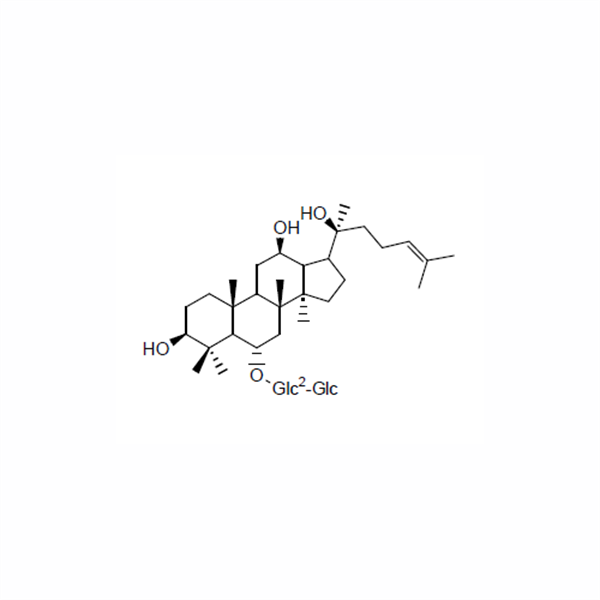
Ginsenoside Rf
$230.21
Micro Spring Scissors
$0.00

Microscope
$0.00

DNA Insect
$0.00