- Home
- Natural & Chemical Compounds
- Compounds C-D
- Cyanidin 3-Rutinoside Chloride (Keracyanin chloride) (10 mg )
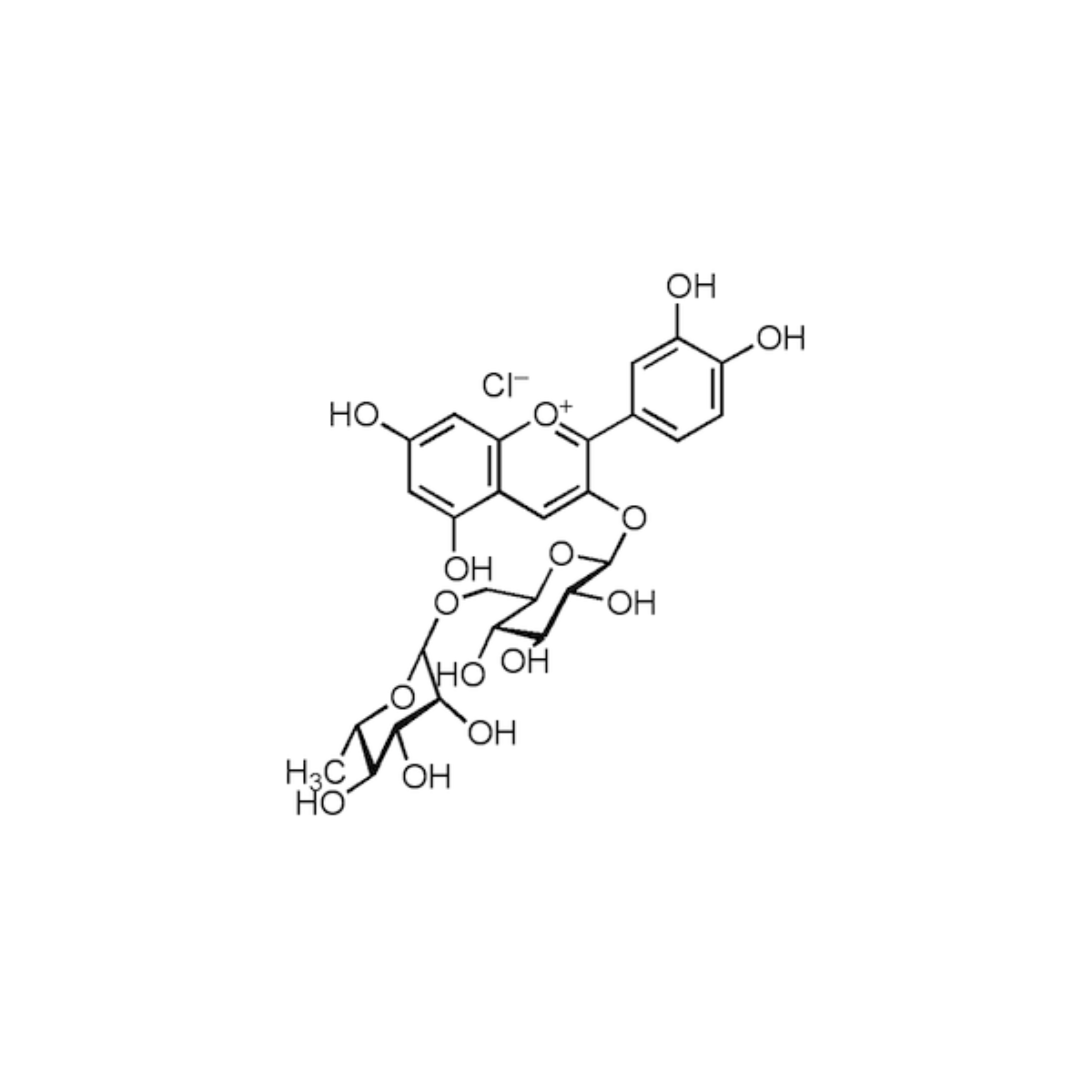
Cyanidin 3-Rutinoside Chloride (Keracyanin chloride) (10 mg )
Product#: FNK-NS380202
$153.48
Availability:
Ships in 1-2 Weeks
Cyanidin 3-Rutinoside Chloride (Keracyanin chloride), NS380202
Glucosylceramide,from Konjac d18:2 4E,8Z-C20h:O
Cat. No. FNK-NS380202
Size 10 mg
Store -20 °C
M. F. C44H83NO9
M. W. 770.13
Purify >= 99% (HPLC)
CAS -Molecular
Product description
Cyanidin 3-Rutinoside Chloride, also known as Keracyanin chloride, is a naturally occurring anthocyanin pigment found in various plants and fruits. It is an important compound in the flavonoid family, known for its antioxidant properties.
Properties
- CAS number: 18719-76-1
- Appearance: Likely a colored powder
- Purity: ≥98% (HPLC)
- Solubility: Likely soluble in polar solvents
- Used as an analytical standard in research related to plant pigments and anthocyanins
- Employed in studies investigating antioxidant activities
- Utilized in food science and natural product research
- Potential applications in the development of functional foods and nutraceuticals
- Store at -20°C, protected from light
- Use appropriate personal protective equipment when handling
- Follow safety precautions: P260 (Do not breathe dust/fume/gas/mist/vapors/spray) and P262 (Do not get in eyes, on skin, or on clothing)
- Avoid inhalation and contact with skin and eyes
- Antioxidant and Anti-inflammatory Properties: Cyanidin 3-Rutinoside Chloride is recognized for its strong antioxidant capabilities, which help in scavenging free radicals and reducing oxidative stress. These properties are beneficial in preventing oxidative stress-related disorders and inflammatory conditions.
- Cardiovascular Health: The compound has been linked to cardiovascular benefits due to its antioxidant and anti-inflammatory effects. It may help in reducing the risk of cardiovascular diseases by modulating oxidative stress and inflammation.
- Anti-glycation Activity: Cyanidin 3-Rutinoside has been shown to inhibit methylglyoxal-induced protein glycation, which is a process implicated in the development of diabetic complications. By trapping methylglyoxal and scavenging reactive oxygen species, it helps prevent oxidative DNA damage and protein glycation, which are critical in managing diabetes-related vascular complications.
- Lipid Metabolism: It acts as a natural inhibitor of intestinal lipid absorption by inhibiting enzymes like pancreatic lipase and cholesterol esterase. This activity suggests potential benefits in managing hyperlipidemia and related metabolic disorders.
- Cancer Prevention: Cyanidins, including Cyanidin 3-Rutinoside, have been studied for their potential in reducing cancer risk due to their antioxidant and radical-scavenging activities. They may also have anti-proliferative effects on certain cancer cell lines, such as those of the prostate gland.
Involved cell signaling pathways
Cyanidin-3-rutinoside chloride, a type of anthocyanin, plays a significant role in various cellular signaling pathways, particularly in pancreatic β-cells. One of the key pathways it influences is the insulin secretion pathway. Cyanidin-3-rutinoside has been shown to stimulate insulin secretion by activating L-type voltage-dependent calcium channels and the phospholipase C-inositol 1,4,5-trisphosphate (PLC-IP3) pathway in these cells. This activation leads to an increase in intracellular calcium levels, which is crucial for insulin release.
In addition to its effects on insulin secretion, cyanidin-3-rutinoside also exhibits other biological activities. It has antioxidant properties, which help in scavenging reactive oxygen species (ROS) and reducing oxidative stress. These properties are beneficial in protecting cells from oxidative damage and apoptosis, which is particularly relevant in the context of diabetes and its complications.
Moreover, cyanidin-3-rutinoside has been studied for its potential lipid-lowering effects. It acts as a mixed-type competitive inhibitor of pancreatic lipase and cholesterol esterase, enzymes involved in lipid digestion and absorption. This inhibition can lead to reduced cholesterol uptake and improved lipid profiles.
Overall, cyanidin-3-rutinoside chloride influences several signaling pathways, primarily by modulating calcium channels and enzyme activities, which contribute to its beneficial effects in metabolic regulation and protection against oxidative stress.