β-Cryptoxanthin (1 mg)
Product#: FNK-NS560101
$346.79
Availability:
Ships in 1-2 Weeks
β-Cryptoxanthin (1 mg)
- CAT Number : FNK-NS560101
- CAS Number : 472-70-8
- Molecular Weight : 552.87
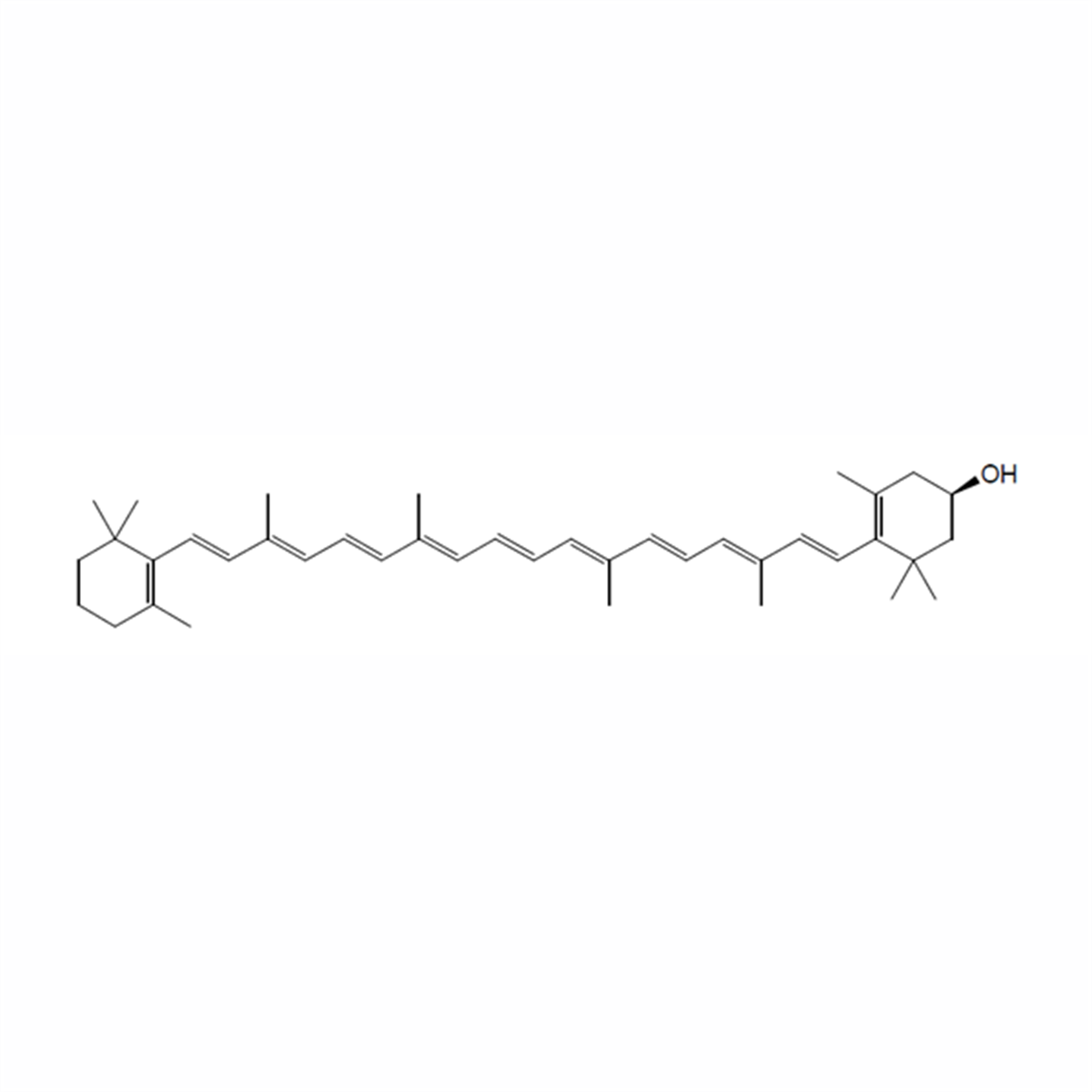
- Molecular Formula : C40H56O
- Pack size: 1 mg
- Store: -20 ℃
- Purity: >99%(HPLC)
- β-Cryptoxanthin is a naturally occurring carotenoid with the molecular formula C40H56O. It is found in various fruits and vegetables, particularly in citrus fruits, and serves as a precursor to vitamin A.
- Molecular weight: 552.87 g/mol
- Appearance: Orange-red crystalline powder
- Solubility: Insoluble in water, soluble in organic solvents like ethanol and acetone
- Stability: Sensitive to light, heat, and oxygen
- Used as a dietary supplement for its antioxidant properties
- Employed in research studies related to nutrition and health
- Utilized in the food and beverage industry as a natural colorant
- Investigated for its potential role in preventing chronic diseases
- Generally considered safe when used in recommended amounts
- May cause mild skin or eye irritation upon contact
- Handle with care, using appropriate personal protective equipment
- Store in a cool, dry place, protected from light and air
- Non-Alcoholic Fatty Liver Disease (NAFLD): β-Cryptoxanthin has been studied for its potential preventive effects on lifestyle-related diseases, particularly non-alcoholic fatty liver disease (NAFLD). It may improve NAFLD through mechanisms such as enhancing insulin resistance, reducing oxidative stress and inflammation, and influencing lipid metabolism. Studies have shown that β-cryptoxanthin supplementation can lead to lower hepatic triglyceride levels and reduced steatosis in animal models.
- Cancer: Epidemiological studies suggest an inverse association between β-cryptoxanthin intake and lung cancer risk, indicating its potential as a chemopreventive agent. However, there is no strong scientific evidence supporting its use for other types of cancer.
- Other Conditions: β-Cryptoxanthin is also used for conditions like diabetes, obesity, and liver disease, although scientific evidence supporting these uses is limited.
- DNA Damage and p53 Pathway: β-Cryptoxanthin has antioxidant properties and can affect the expression of genes involved in DNA damage response. It has been found to upregulate members of the TP53 family, which are critical in processes such as apoptosis, cell cycle regulation, and DNA repair. Specifically, β-cryptoxanthin downregulates the oncogenic variant ΔNp73, which is involved in drug resistance, suggesting its potential in cancer therapy, particularly in colon cancer when combined with chemotherapeutic agents like oxaliplatin.
- Retinoic Acid Receptor (RAR) Pathway: β-Cryptoxanthin acts as a potent RAR agonist, outperforming other carotenoids in activating RAR-mediated transcription. This pathway is significant in lung cancer prevention, as β-cryptoxanthin can inhibit lung cancer cell growth and modulate immune responses through RAR activation
- NF-κB Pathway: β-Cryptoxanthin has been shown to suppress NF-κB activity, which is involved in inflammation and cancer progression. This suppression can lead to reduced inflammation and potentially inhibit cancer cell proliferation.
- TGF-β and Smad Signaling: β-Cryptoxanthin stimulates osteoblast differentiation by enhancing TGF-β1-induced Smad signaling. This pathway is crucial for the commitment of preosteoblasts to the osteoblastic lineage, promoting bone formation and mineralization.
- Runx2 and Osteoblast Differentiation: β-Cryptoxanthin increases the expression of Runx2, a key transcription factor in osteoblast differentiation, along with other proteins involved in bone formation such as collagen and alkaline phosphatase.
- Oxidative Stress and NRF2 Pathway: β-Cryptoxanthin promotes NRF2 nuclear translocation, which helps maintain mitochondrial function and inhibits oxidative stress-induced cellular senescence. This function is particularly relevant in the context of kidney diseases and other conditions where oxidative stress plays a critical role.