

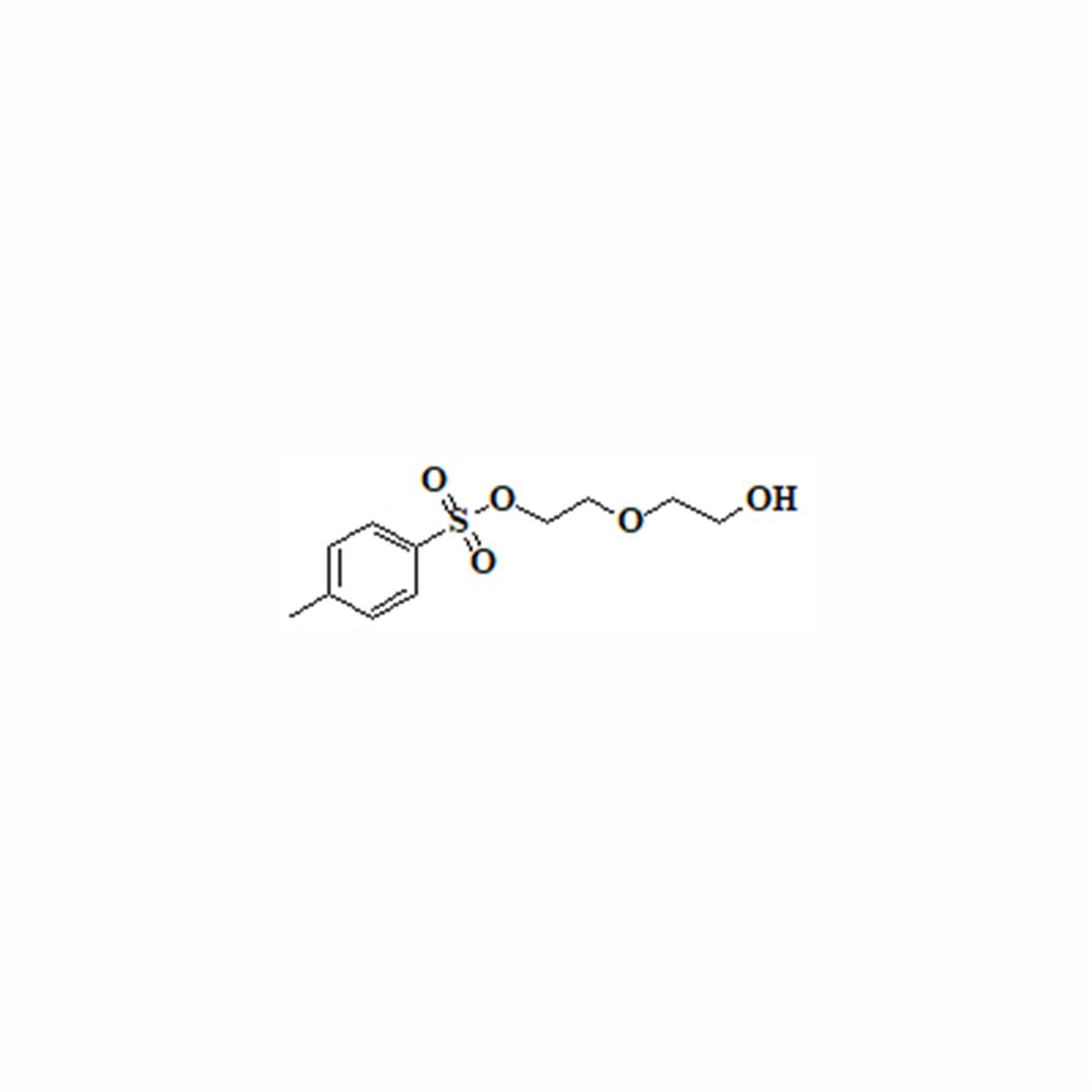
2-(2-Hydroxyethoxy)ethyl 4-methylbenzenesulfonate
Product#: Gly-GMSL-138
$700.00
Availability:
Ships in 1-2 Weeks
2-(2-Hydroxyethoxy)ethyl 4-methylbenzenesulfonate
- CAT Number : Gly-GMSL-138
- CAS Number : 118591-58-5
- Molecular Weight : 260.31
- Molecular Formula : C11H16O5S
- Pack size: 1 g
2-(2-Hydroxyethoxy)ethyl methanesulfonate is an organic compound with the molecular formula C5H12O5S. It is a methanesulfonate ester of diethylene glycol, commonly used in pharmaceutical testing and research.
Properties
- Molecular formula: C5H12O5S
- Molecular weight: 184.21 g/mol
- CAS number: 118591-57-4
- Appearance: Clear, colorless liquid
- Used as a building block in organic synthesis
- Potential applications in pharmaceutical research and development
- May be used in the synthesis of more complex molecules or drug candidates
Alzheimer's Disease
This compound is utilized in the development of positron emission tomography (PET) radioligands for imaging neurofibrillary tangles (NFTs), which are a hallmark of Alzheimer's disease2. NFTs, composed of abnormally hyperphosphorylated tau protein, correlate strongly with neurodegeneration and cognitive impairment in Alzheimer's patients2.
Other Tauopathies
The compound's relevance extends beyond Alzheimer's to other tauopathies, including:
- Corticobasal degeneration
- Progressive supranuclear palsy
- Pick's disease
- Frontotemporal dementia Parkinsonism
- Guamanian Parkinsonism dementia-amyotrophic lateral sclerosis complex
- Chronic traumatic encephalopathy
Research Applications
PET Imaging
The compound is involved in the development of PET radioligands, which are crucial for detecting and quantifying low-density proteins like tau in living human brains2. This non-invasive imaging technique is vital for:
- Early diagnosis of neurodegenerative diseases
- Monitoring disease progression
- Evaluating the efficacy of potential treatments
Biomarker Development
Research involving this compound contributes to the development of biomarkers for neurodegenerative diseases. For instance, tau and phospho-tau (ptau181) in cerebrospinal fluid are useful biomarkers for diagnosing Alzheimer's disease2.
While 2-(2-Hydroxyethoxy)ethyl 4-methylbenzenesulfonate is not a therapeutic agent itself, its use in research is instrumental in advancing our understanding of various human diseases, particularly neurodegenerative disorders. By facilitating the development of imaging techniques and contributing to biomarker research, it plays a crucial role in the ongoing efforts to diagnose, monitor, and ultimately treat these challenging conditions.
Cellular Signaling Pathways Affected
- Estrogen signaling pathway: The compound and its derivatives can inhibit estrogen receptor α (ERα) and retard the estrogen signaling pathway3. This is particularly relevant in breast cancer research, as the estrogen signaling pathway plays a crucial role in the growth of certain breast tumors.
- Kinase and phosphatase pathways: The compound has been observed to modulate the activity of certain kinases and phosphatases, which are essential for various cell signaling cascades1.
- Metabolic pathways: It can alter the expression of genes involved in metabolic pathways, thereby impacting cellular metabolism12.
- Protein degradation pathways: The compound is used in synthesizing proteolysis-targeting chimeras (PROTACs), which can affect protein degradation pathways2.
- Enzyme inhibition pathways: It can inhibit the activity of certain sulfatases by binding to their active sites, modulating the biochemical pathways in which these enzymes are involved1.
- Transcription factor pathways: The compound can influence gene expression by interacting with transcription factors and other regulatory proteins1.
