

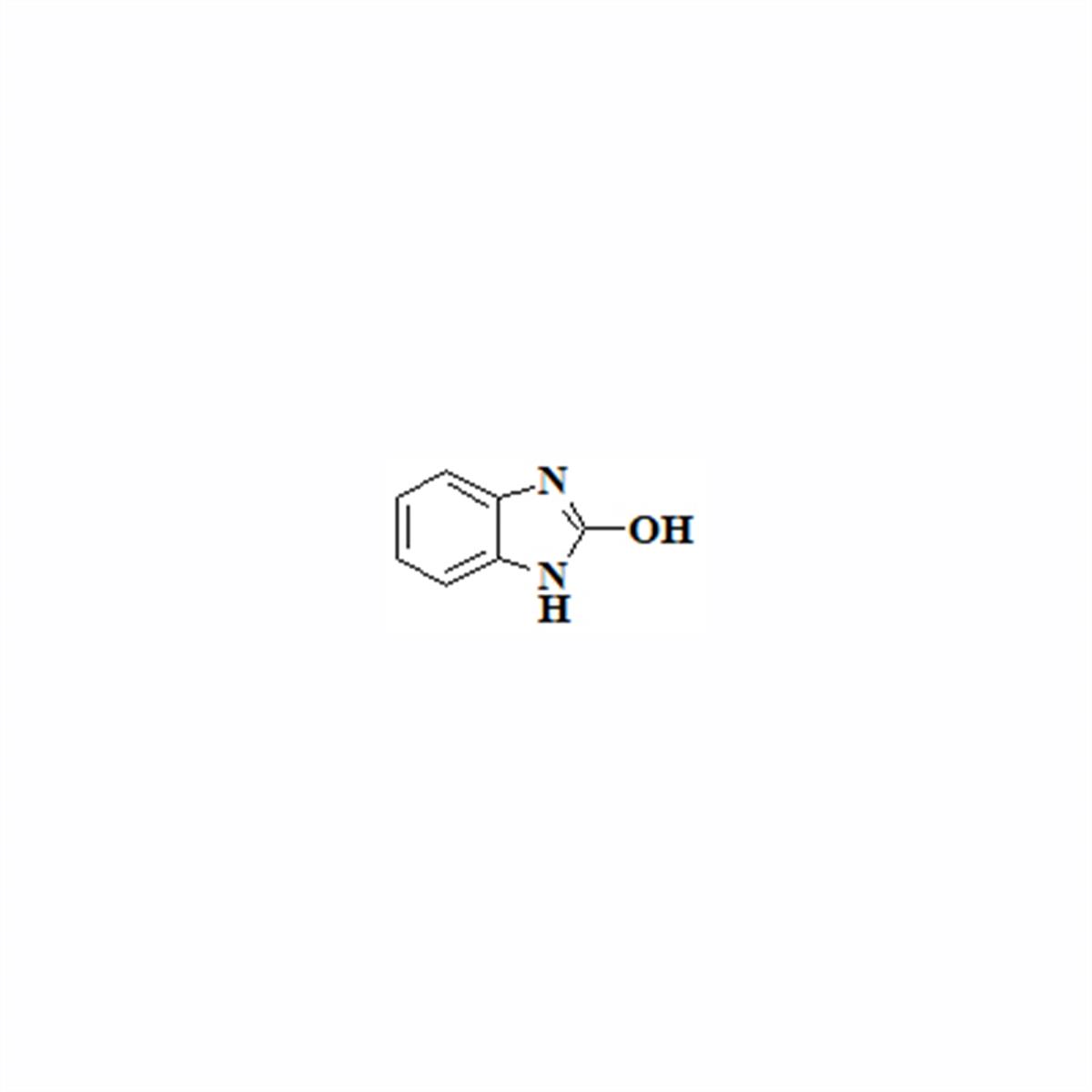
1H-Benzo[d]imidazol-2-ol
Product#: Gly-GMSM-128
$500.00
Availability:
Ships in 1-2 Weeks
1H-Benzo[d]imidazol-2-ol
- CAT Number : Gly-GMSM-128
- CAS Number : 102976-62-5
- Molecular Weight : 134.14
- Molecular Formula : C7H6N2O
- Pack size: 5 g
1H-Benzo[d]imidazol-2-ol is an organic compound with the molecular formula C7H6N2O. It is a derivative of benzimidazole with a hydroxyl group at the 2-position.
Properties
- Molecular formula: C7H6N2O
- Molecular weight: 134.14 g/mol
- Appearance: Solid
- Used as an intermediate in organic synthesis
- Potential applications in pharmaceutical research and development
- May be used as a building block in chemical synthesis
- Handle with care in a well-ventilated area
- Wear appropriate personal protective equipment (PPE) such as gloves, safety glasses, and lab coat
- Store at room temperature
- Avoid skin contact, inhalation, or ingestion
Antiviral Activity
Benzimidazole derivatives have shown significant antiviral properties. They have been tested against a variety of viral strains, including human immunodeficiency virus (HIV), hepatitis B and C viruses (HBV and HCV), enteroviruses, respiratory syncytial virus (RSV), human cytomegalovirus (HCMV), bovine viral diarrhea virus (BVDV), and herpes simplex virus-1 (HSV-1)1. These compounds exhibit mechanisms that can inhibit viral replication and prevent viral DNA processes.
Anticancer Activity
Benzimidazole derivatives are also recognized for their anticancer properties. They have been evaluated for their ability to inhibit cancer cell proliferation, with some compounds showing potent activity against various cancer cell lines23. The anticancer effects are often attributed to the ability of these compounds to interfere with DNA processes, such as binding to DNA minor grooves, causing cell cycle arrest, and inducing apoptosis in cancer cells3.
Antifungal and Antibacterial Activity
In addition to antiviral and anticancer activities, benzimidazole derivatives have demonstrated antifungal and antibacterial properties. Some derivatives have shown moderate activity against fungi like Candida albicans and Aspergillus niger, as well as antibacterial activity against Gram-positive bacteria such as Streptococcus faecalis and Staphylococcus aureus2.
Anti-inflammatory Activity
These compounds also exhibit anti-inflammatory properties. Certain benzimidazole derivatives have been found to inhibit inflammatory mediators such as nitric oxide and tumor necrosis factor-alpha (TNF-α), demonstrating potential as anti-inflammatory agents
Cellular Signaling Pathways Affected
MAPK/ERK Pathway: Benzimidazole derivatives have been shown to inhibit the MAPK/ERK signaling pathway. This pathway is essential for cell proliferation and survival, and its inhibition can lead to reduced cancer cell growth and increased apoptosis4.
PI3K/AKT Pathway: These compounds also affect the PI3K/AKT signaling pathway, which plays a critical role in cancer cell survival and proliferation. Inhibition of this pathway can lead to decreased tumor growth4.
Apoptosis Pathways: Benzimidazole derivatives can induce apoptosis by affecting mitochondrial pathways. They disturb mitochondrial membrane potential, leading to the release of pro-apoptotic factors such as cytochrome c, which activates caspases and induces cell death1.
COX-2 Inhibition: Some benzimidazole derivatives selectively inhibit the COX-2 enzyme, which is involved in inflammatory processes. This inhibition contributes to their anti-inflammatory effects2.
